

Universal Audio's New Microphone - BOCK 187 Review
2023.07.21·Review·10 min readMUZIUM
#universal audio#bock 187#microphone review#ua microphone#u87 clone#condenser microphone#recording microphone
Also available in:
English···

Universal Audio's New Microphone - BOCK 187 Review
Hello, this is Muzium.
This post is a review of the Bock 187, Universal Audio's new microphone series.
The Bock 187 microphone used in this review was loaned through the Gear Lounge Bock 187 trial program. The product was returned after one week.
"While there is a benefit of receiving a small gift after writing this review, we have not received any guidelines or instructions regarding the review content — this is purely our own opinion."
Bock 187 — Universal Audio's New Microphone Lineup
Universal Audio (hereafter UA) originally started with early analog recording consoles and outboard gear, and is now a U.S. company that focuses primarily on its UAD series, plugins, and audio interfaces.
The founder, Bill Putnam, is a truly legendary engineer — think of him as the person who laid the groundwork for the audio equipment we use today.
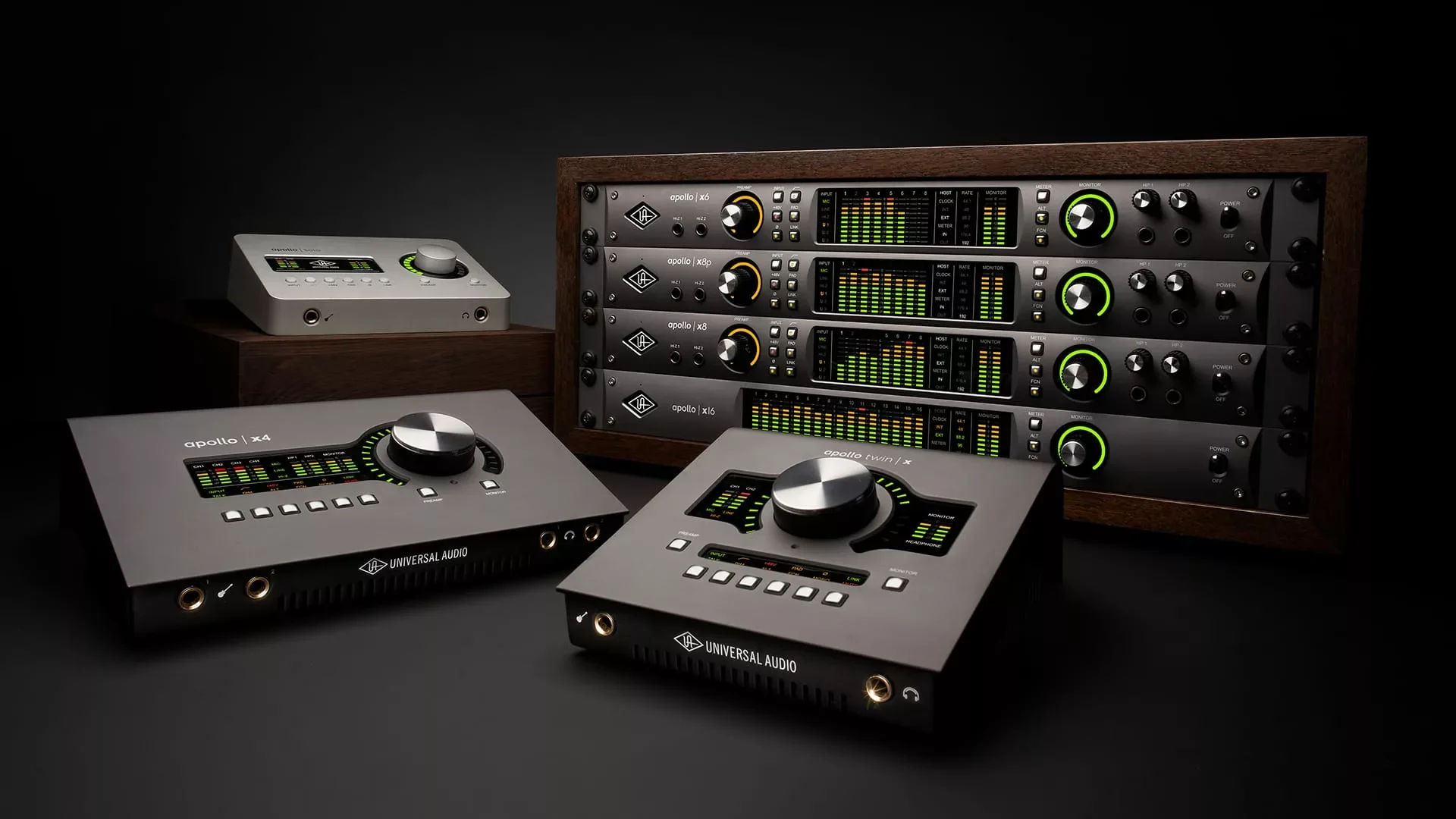
Interfaces like this one..
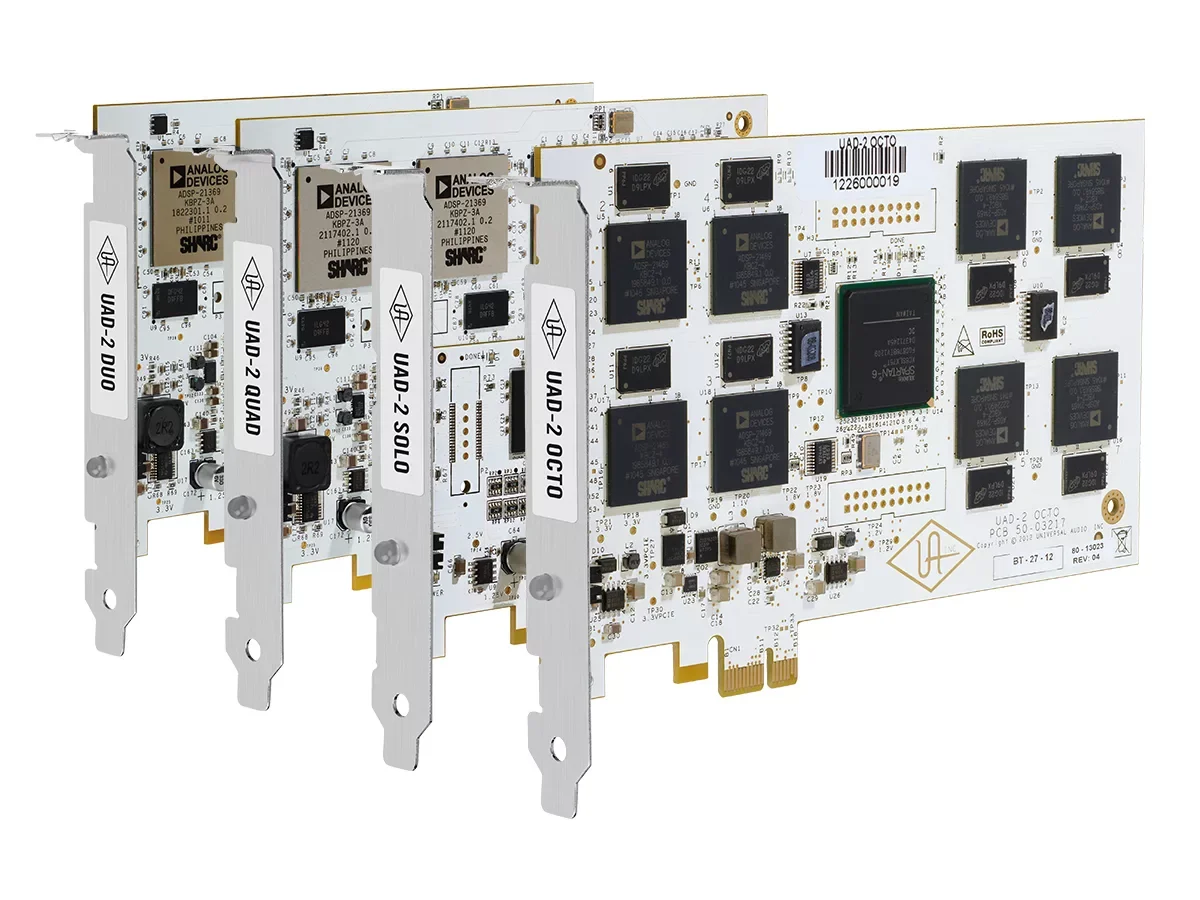
And DSP units like this were their main products.
In addition to these interfaces and DSP units, UA has a few other related products. At some point, however, UA began selling everything from microphones to budget audio interfaces — likely because as time has passed and computer specs have improved, DSP product sales are no longer what they used to be.
UA first launched the Volt, a budget audio interface, along with a budget pencil microphone and a dynamic microphone (SM7B-style), before acquiring two microphone companies.
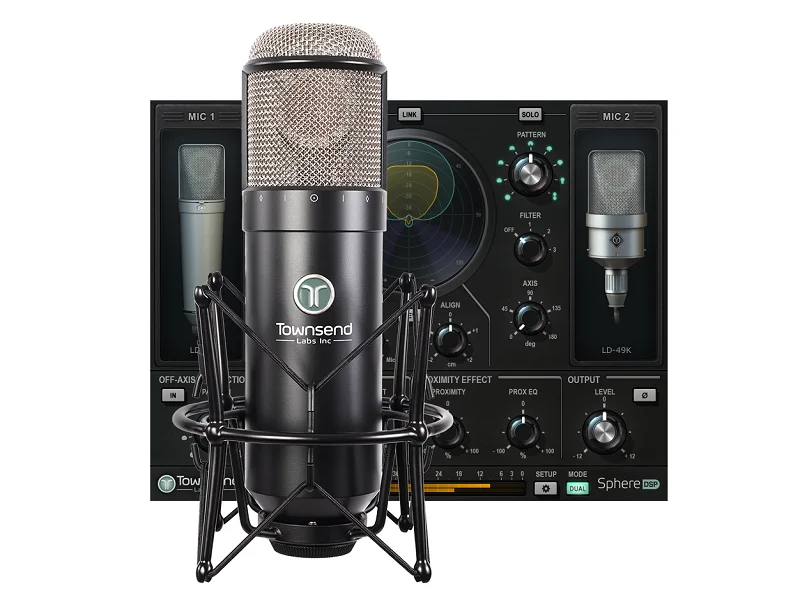
They acquired Townsend Labs, which had been selling microphones by leveraging their own plugins and interfaces, split the L22 microphone into two variants, and then acquired Bock Audio to begin selling higher-end microphones.

The currently available Bock 187, 251, and 167 are all products that were originally sold by Bock Audio and have since been improved and released by UA.
Today's review focuses on the Bock 187 from the UAD microphone series.
A Reinterpretation of the U87? A Replica? — The Bock 187
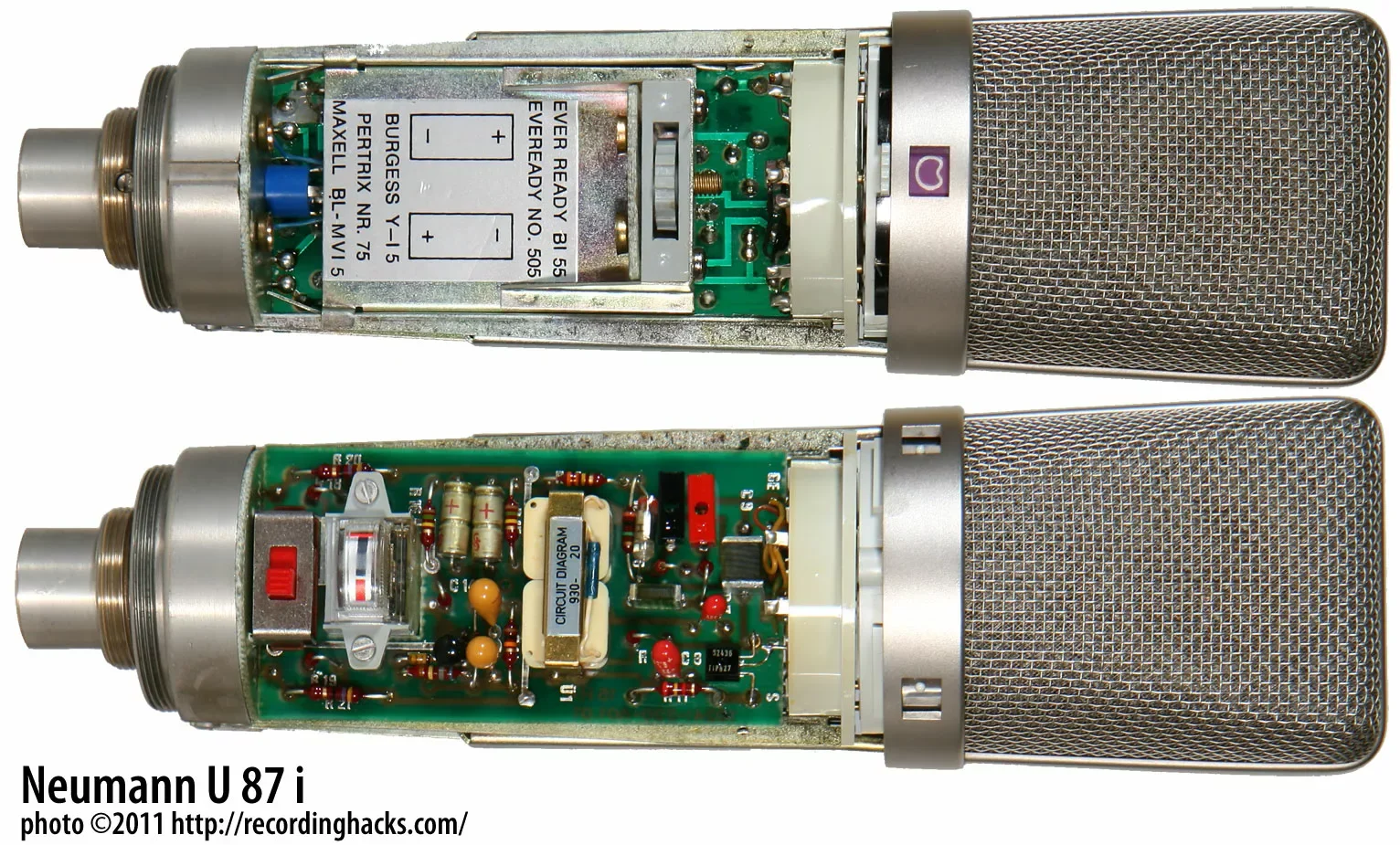
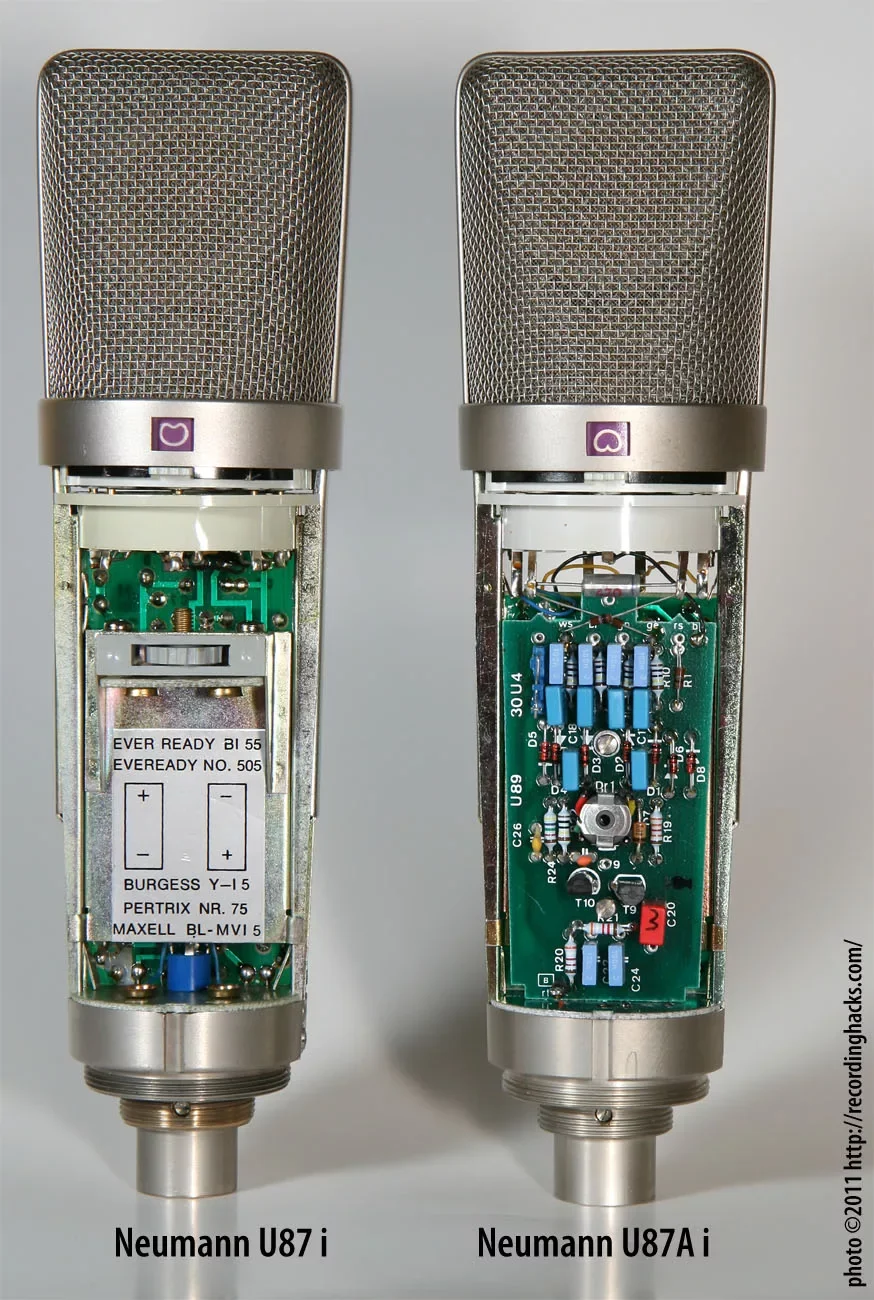
This image is of the U87i, though the entire U87 series all look pretty much the same.
As you can tell from the product name, engineer David Bock designed it as a replica of the Neumann U87.
David Bock is an engineer with experience at the renowned Ocean Way Studio and the company Soundelux. At Soundelux, he even released a microphone bearing his own name.
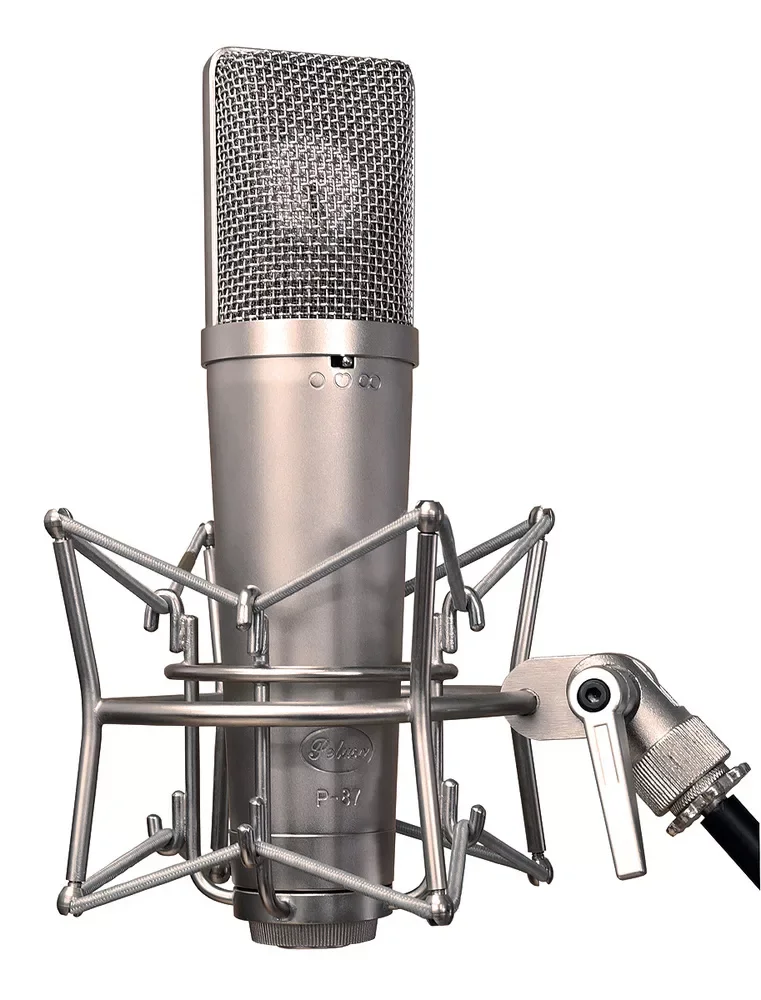
The Peluso P87 — a likely competitor when comparing price range and the creator's name value
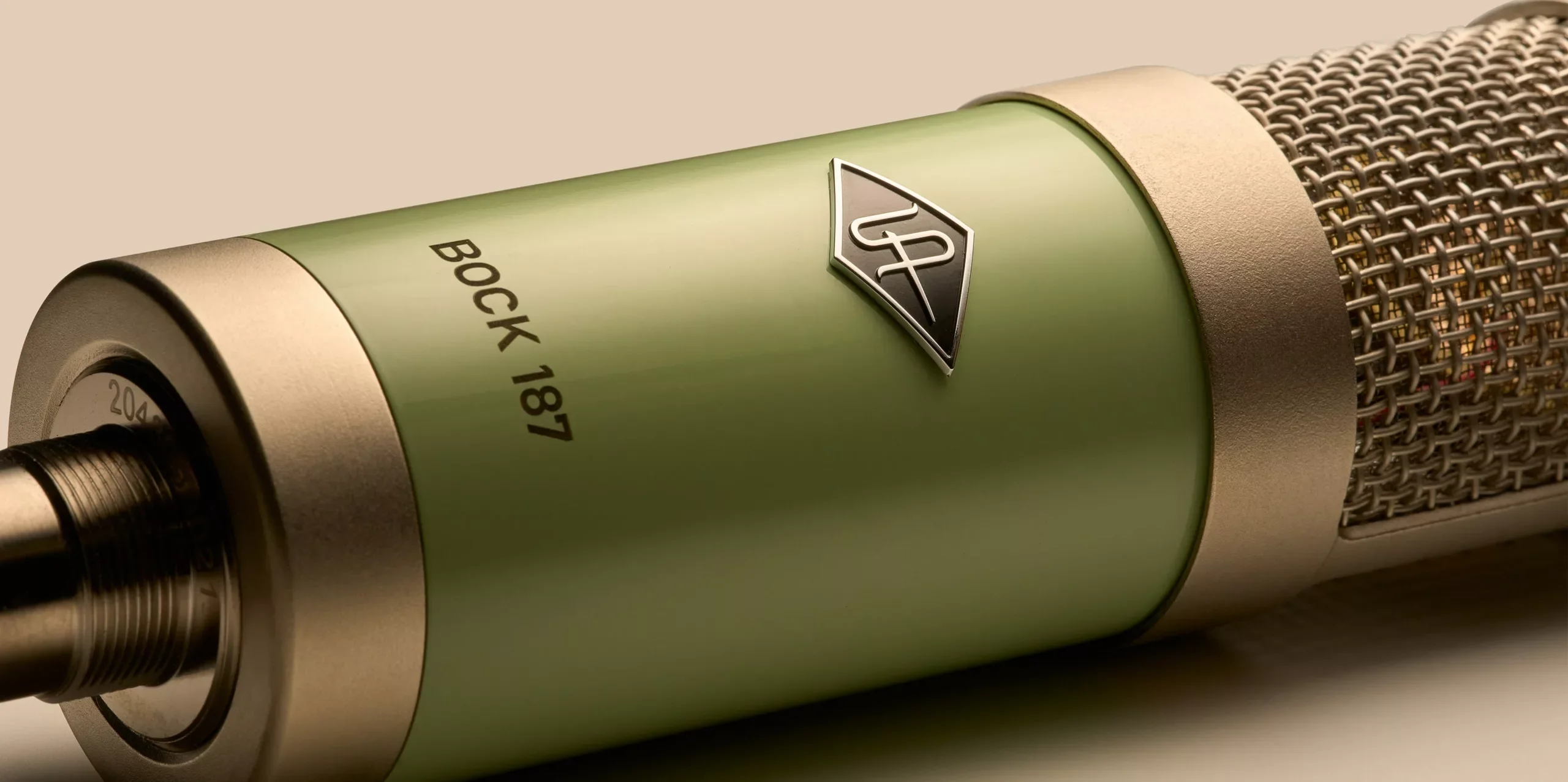
Today's star: the Bock 187
The Bock 187, alongside the Peluso P87, appears to be among the more expensive U87 replica microphones available.
While other replicas tend to give off a "budget U87" vibe, the Peluso P87 and Bock 187 feel more like they're aiming to "restore the U87 of the past."
Anyway, let's take a look at the product.
Product Receipt and Unboxing
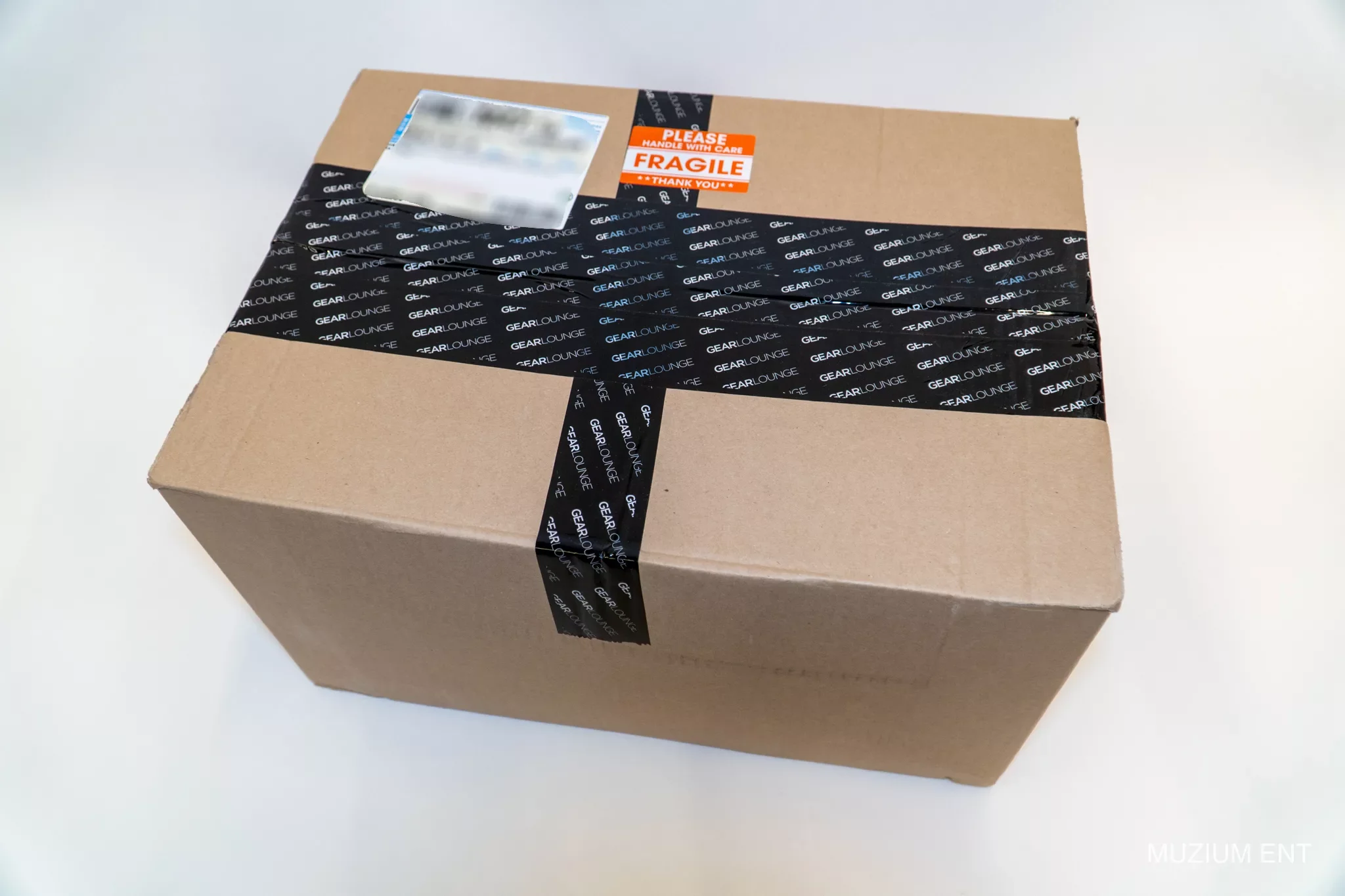
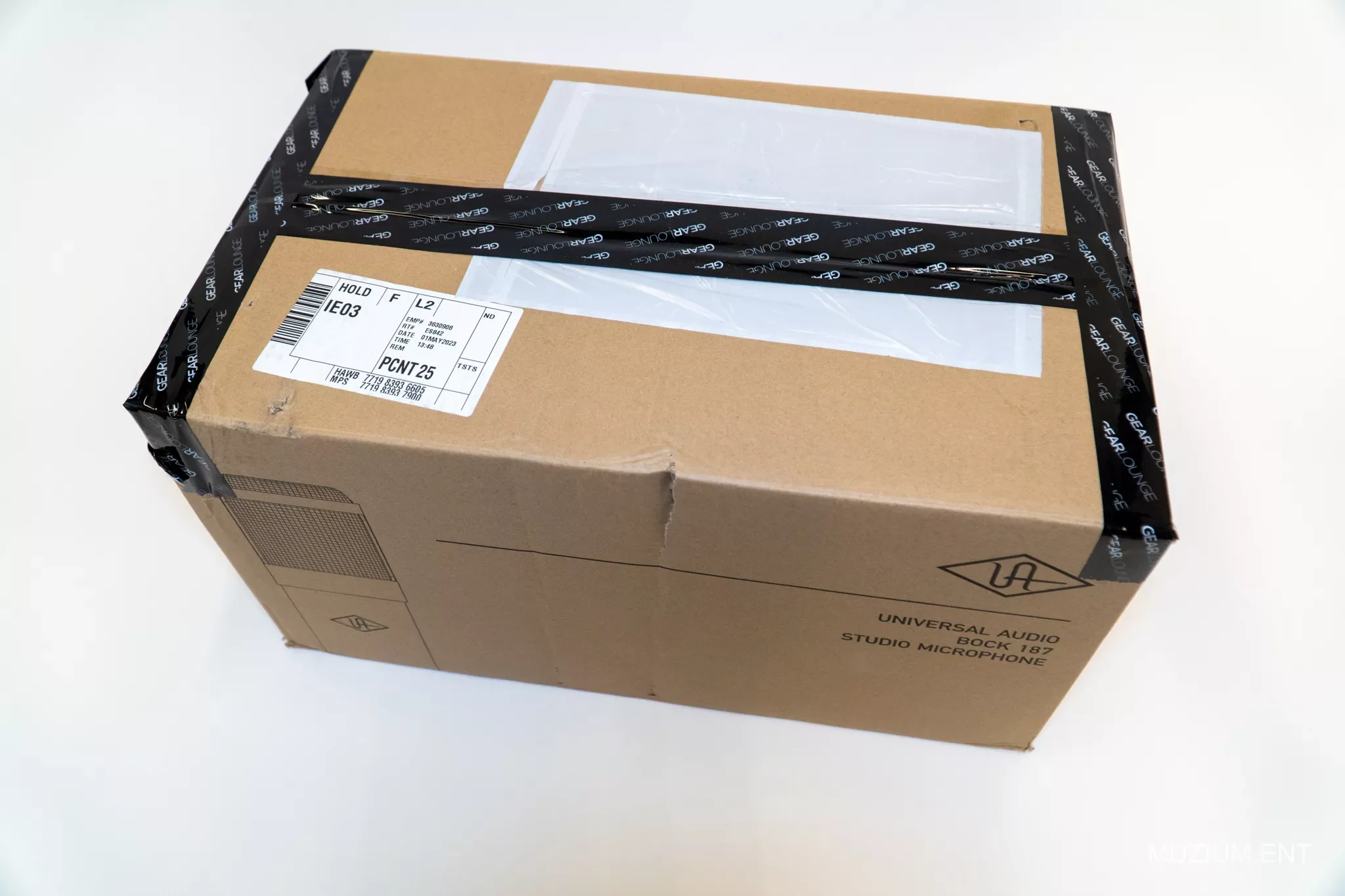
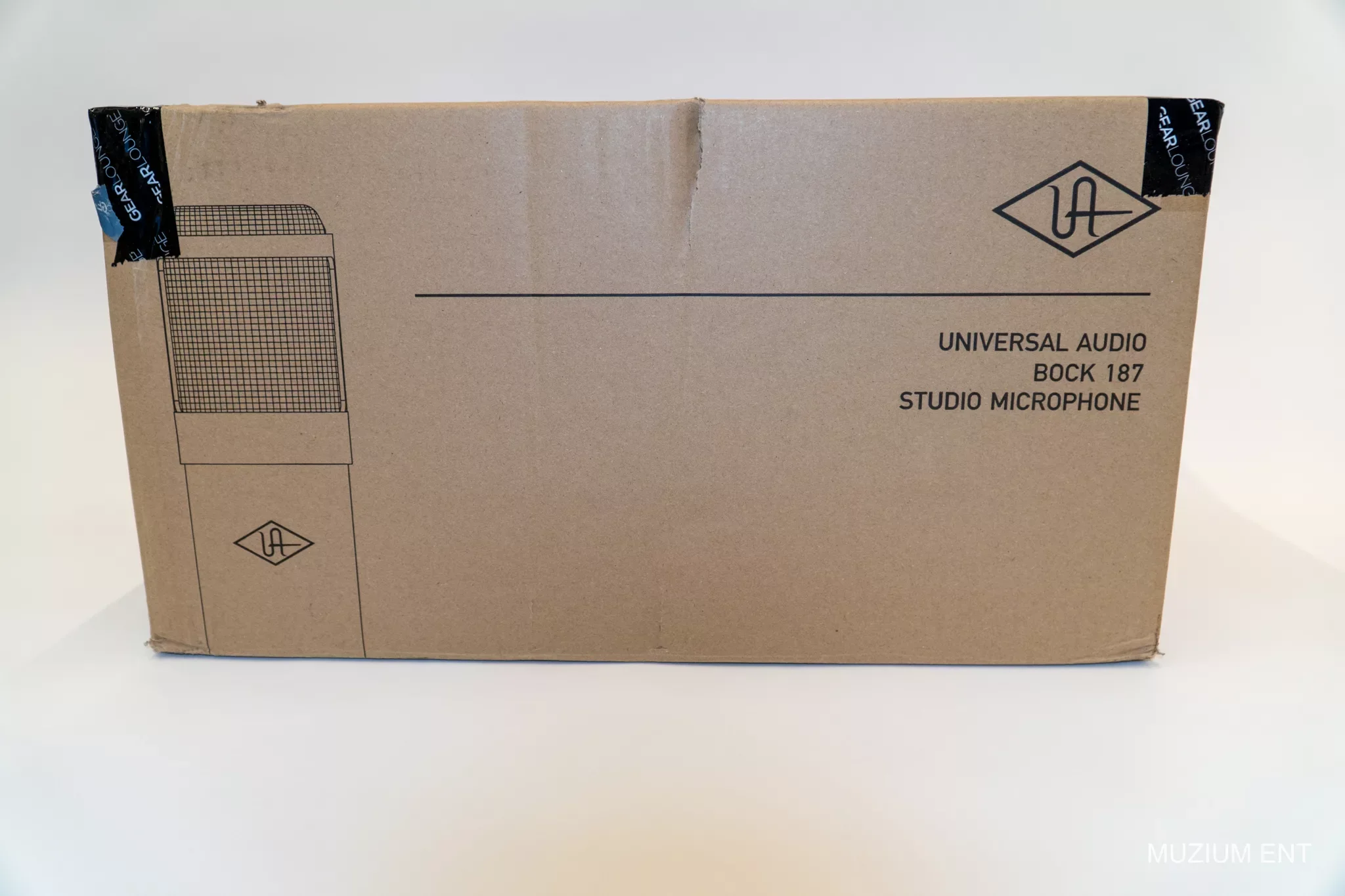
The shipping package itself looks quite large, but there really wasn't much inside.
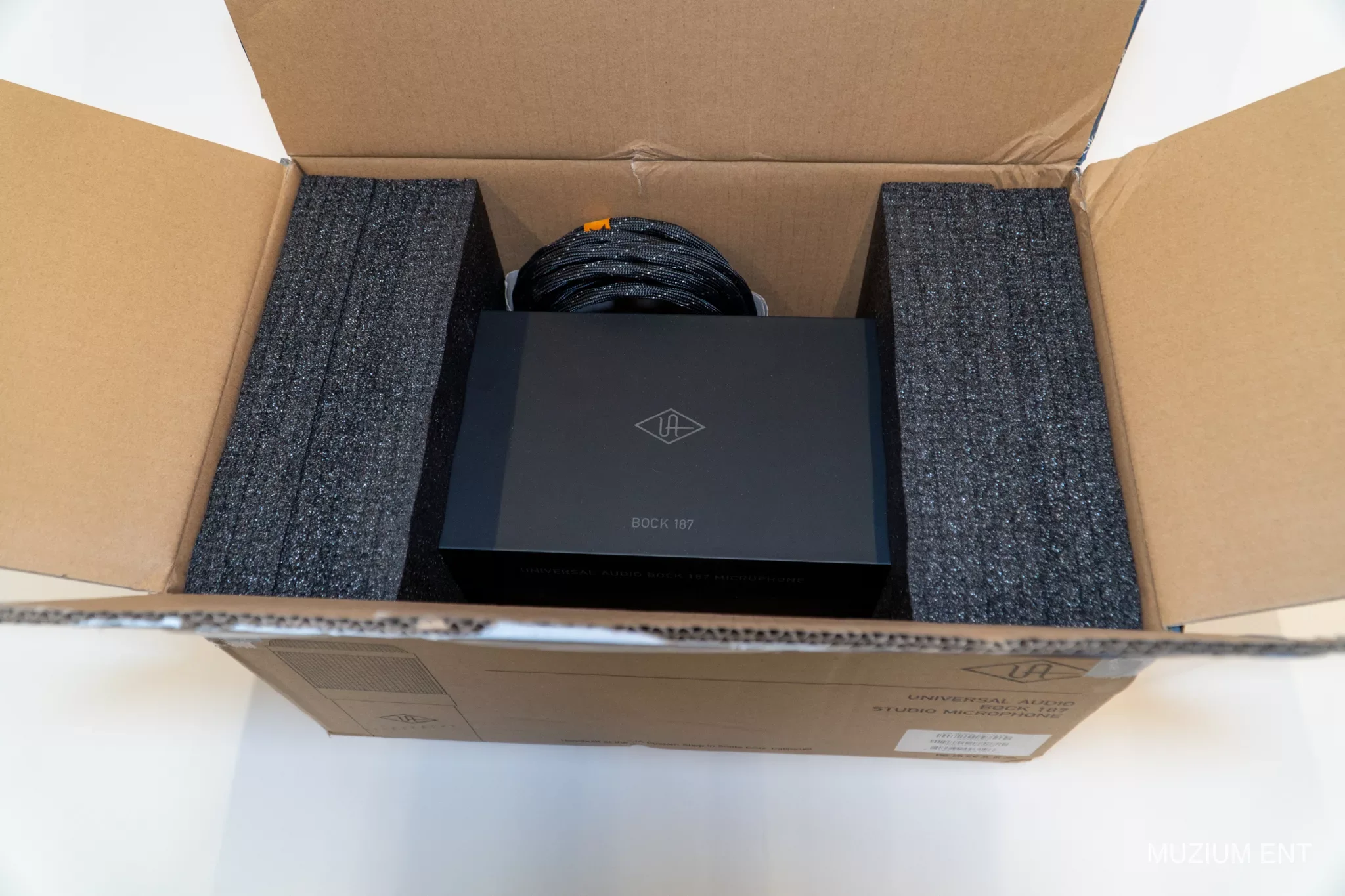
The Bock 187 is modestly packaged, along with a Vovox cable that was included for us to review as well.
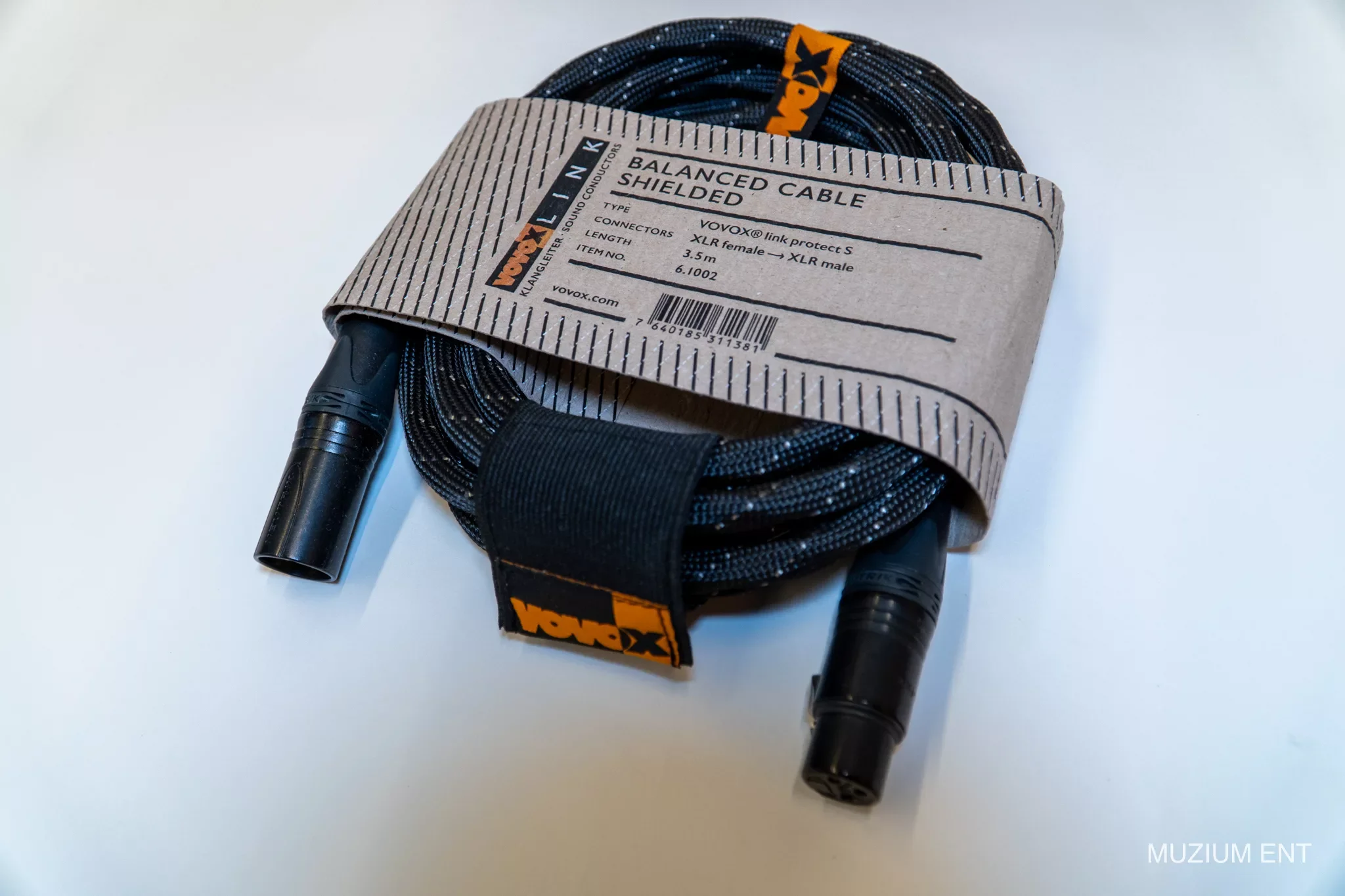
Unfortunately, we did not use the cable. It was more expensive than the cables we already own, and since it wasn't a matched pair, it wasn't practical to test both microphones simultaneously.
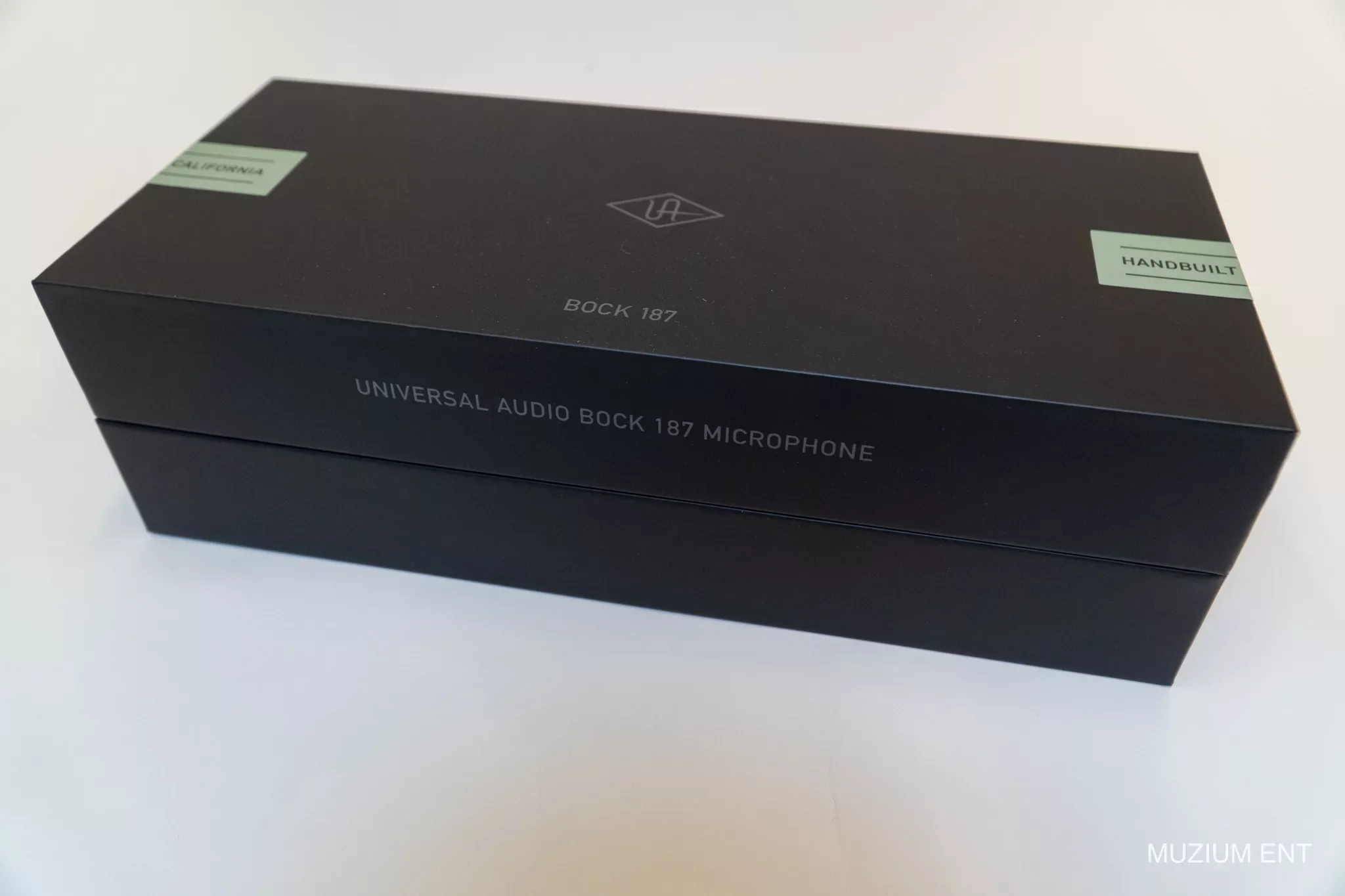
The retail box is clean and simple.
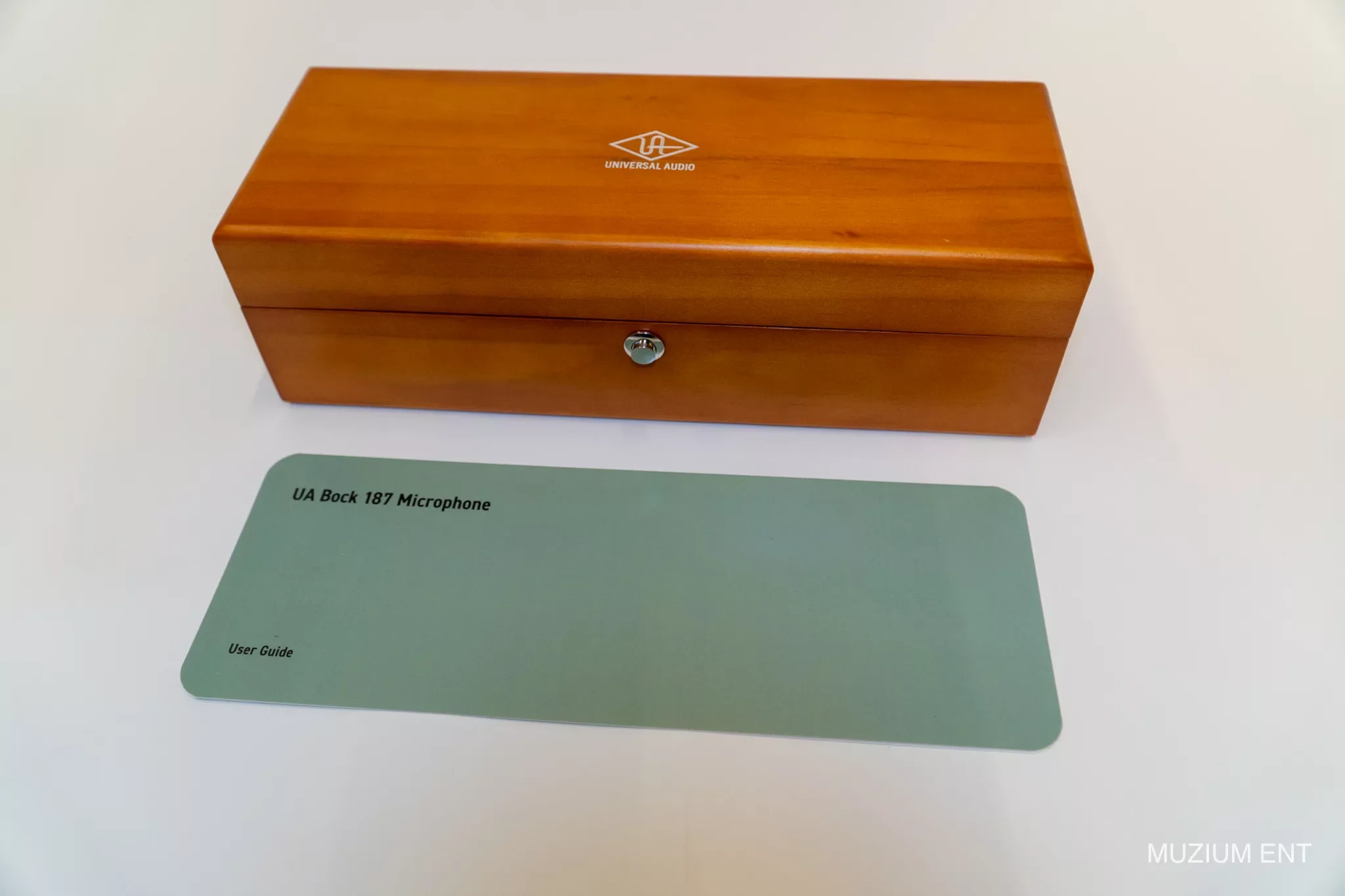
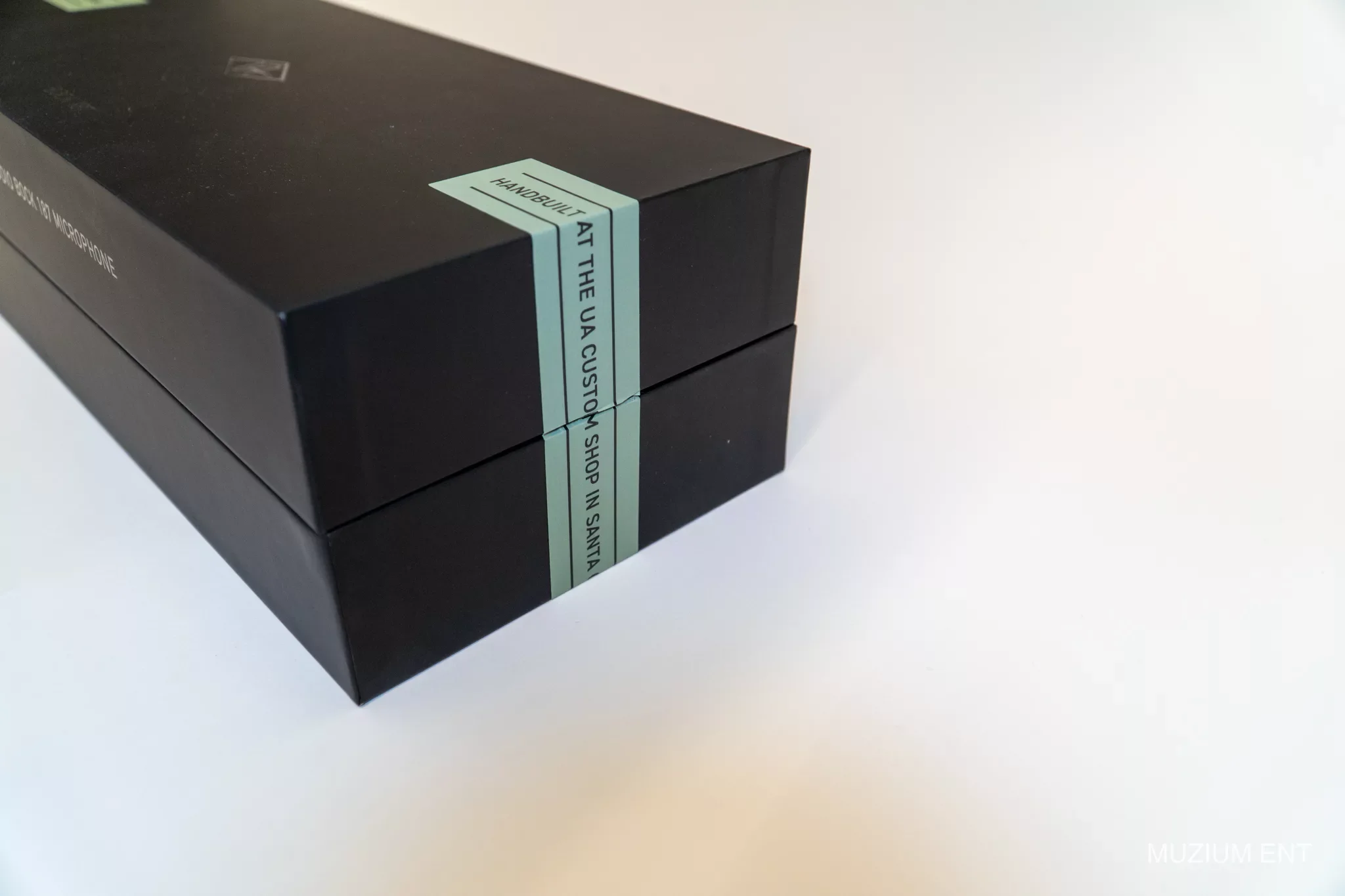
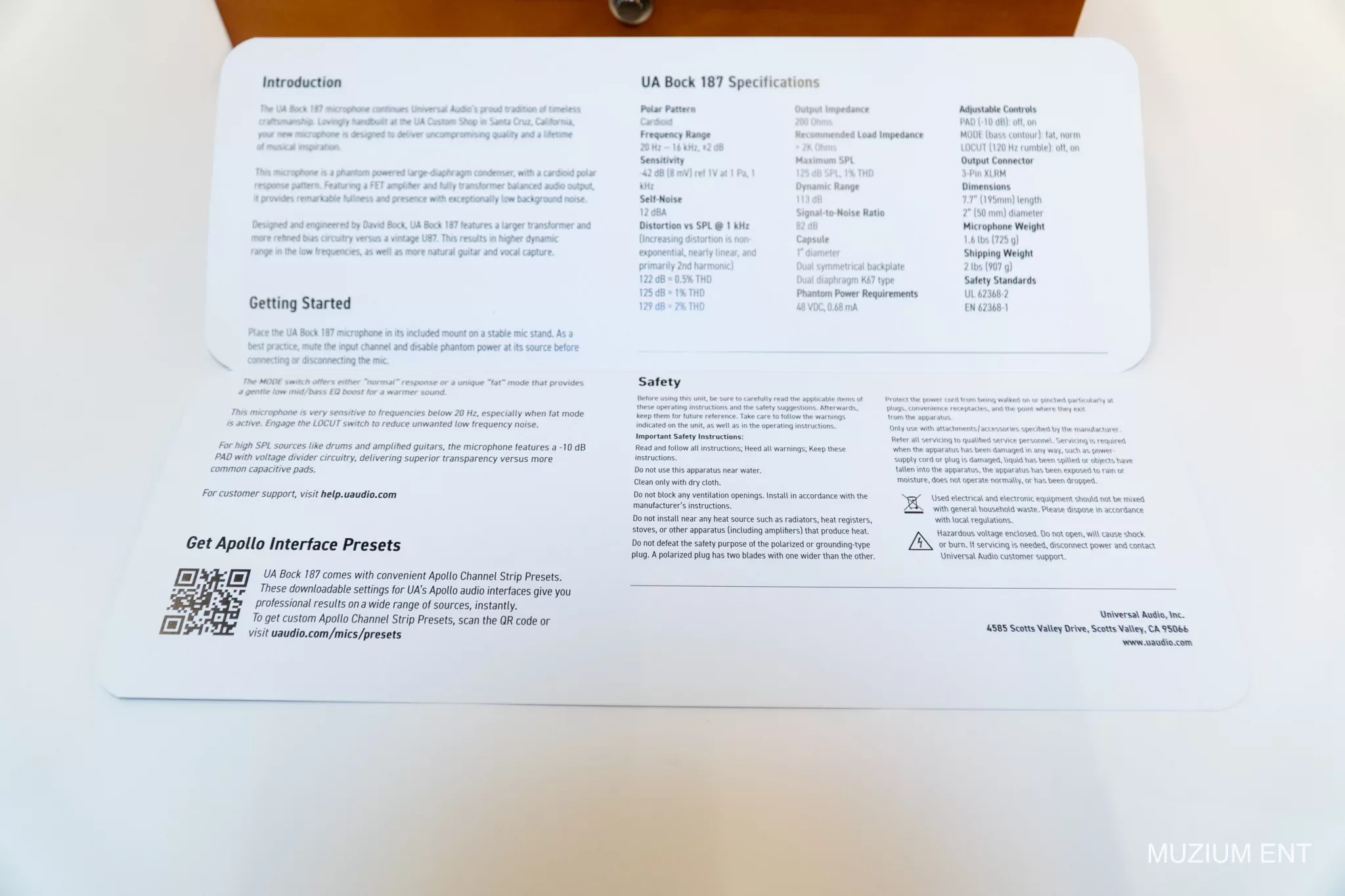
There are simple manuals included, and leveraging their own audio interface, UA says there are interface presets tailored to the microphone. That's a nice touch.
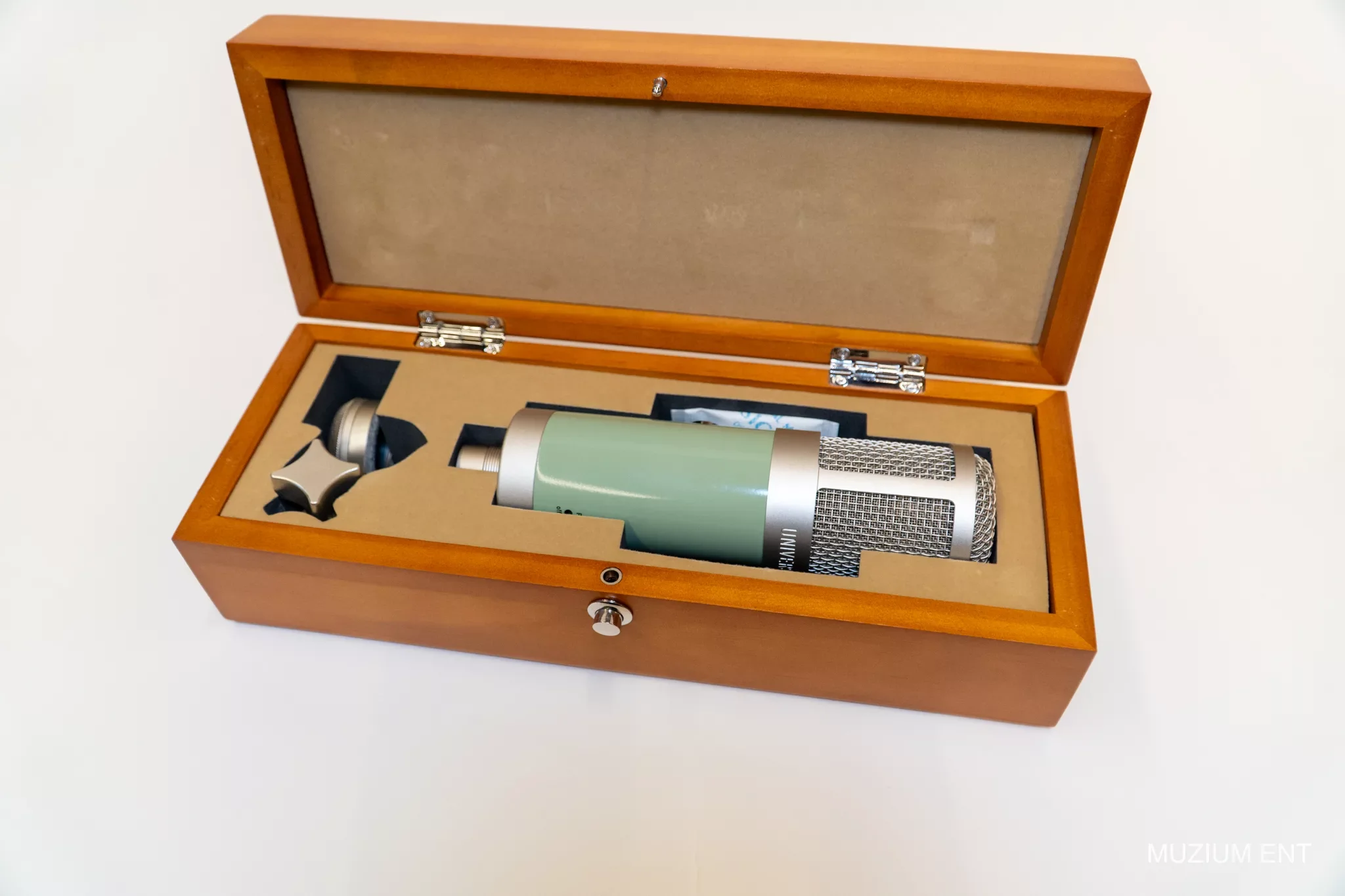
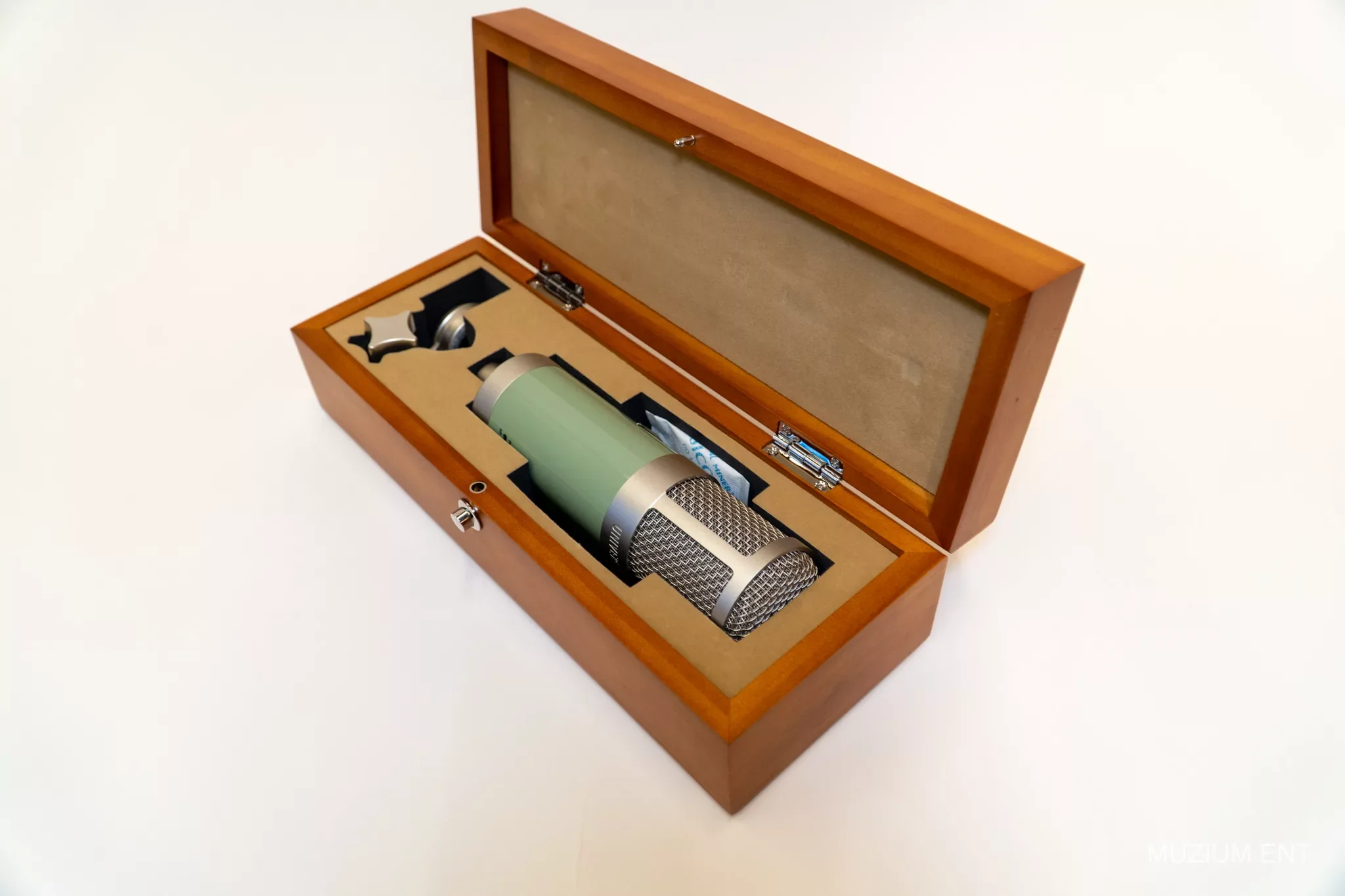
The wooden case latch is a bit unusual. It takes some getting used to..
There are also a few things I found disappointing after receiving the product.
The Bock 187 does not come with a shock mount. In general, most U87 replica products and similar microphones in this category come standard with a shock mount and a flight case — so this stood out.
That said, if a shock mount and case were included, the price would likely be at least 2.5 to 3 million KRW or more, which is higher than the current selling price.
Well, I suppose it could be seen as a deliberate sales strategy.
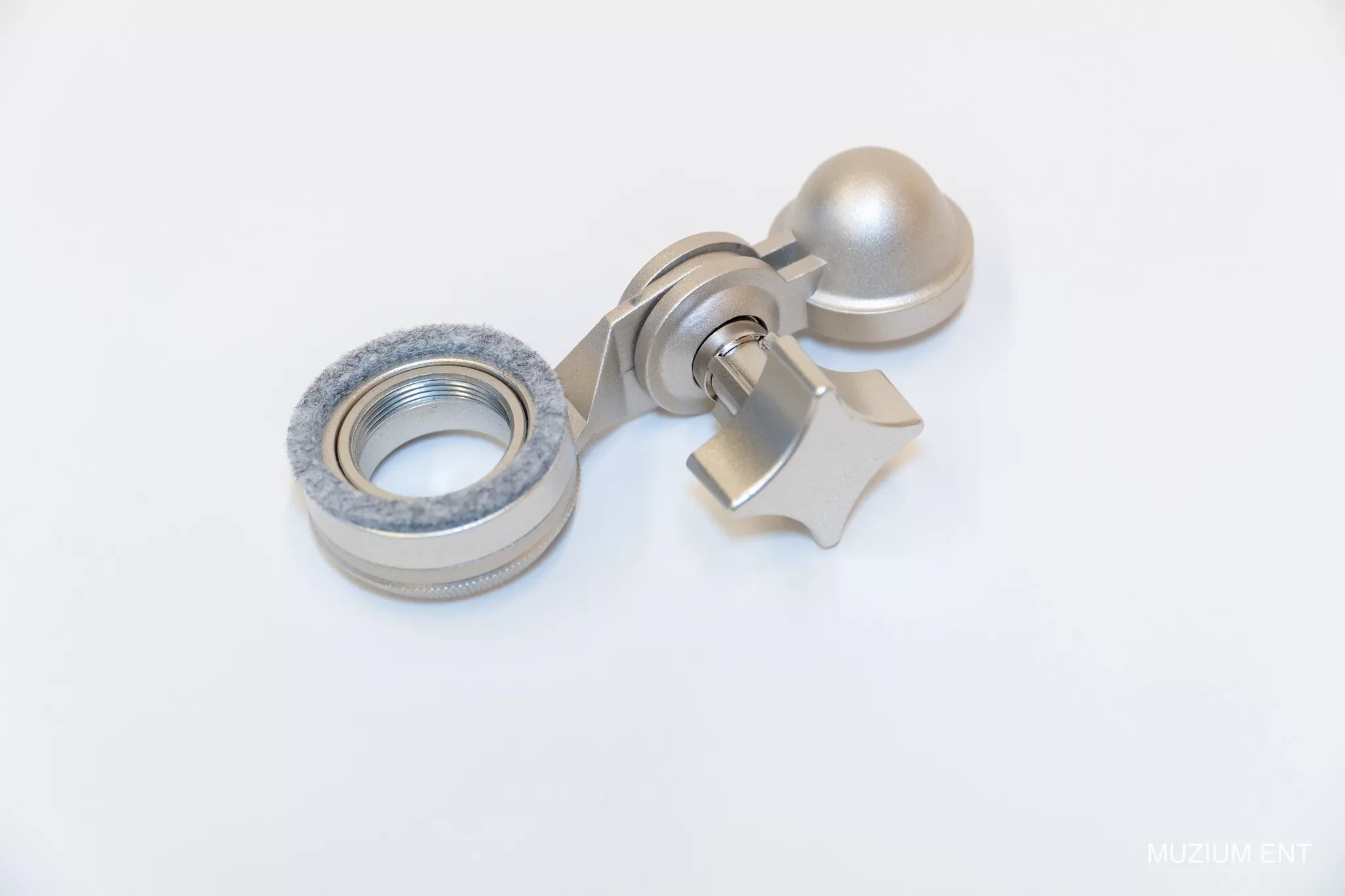
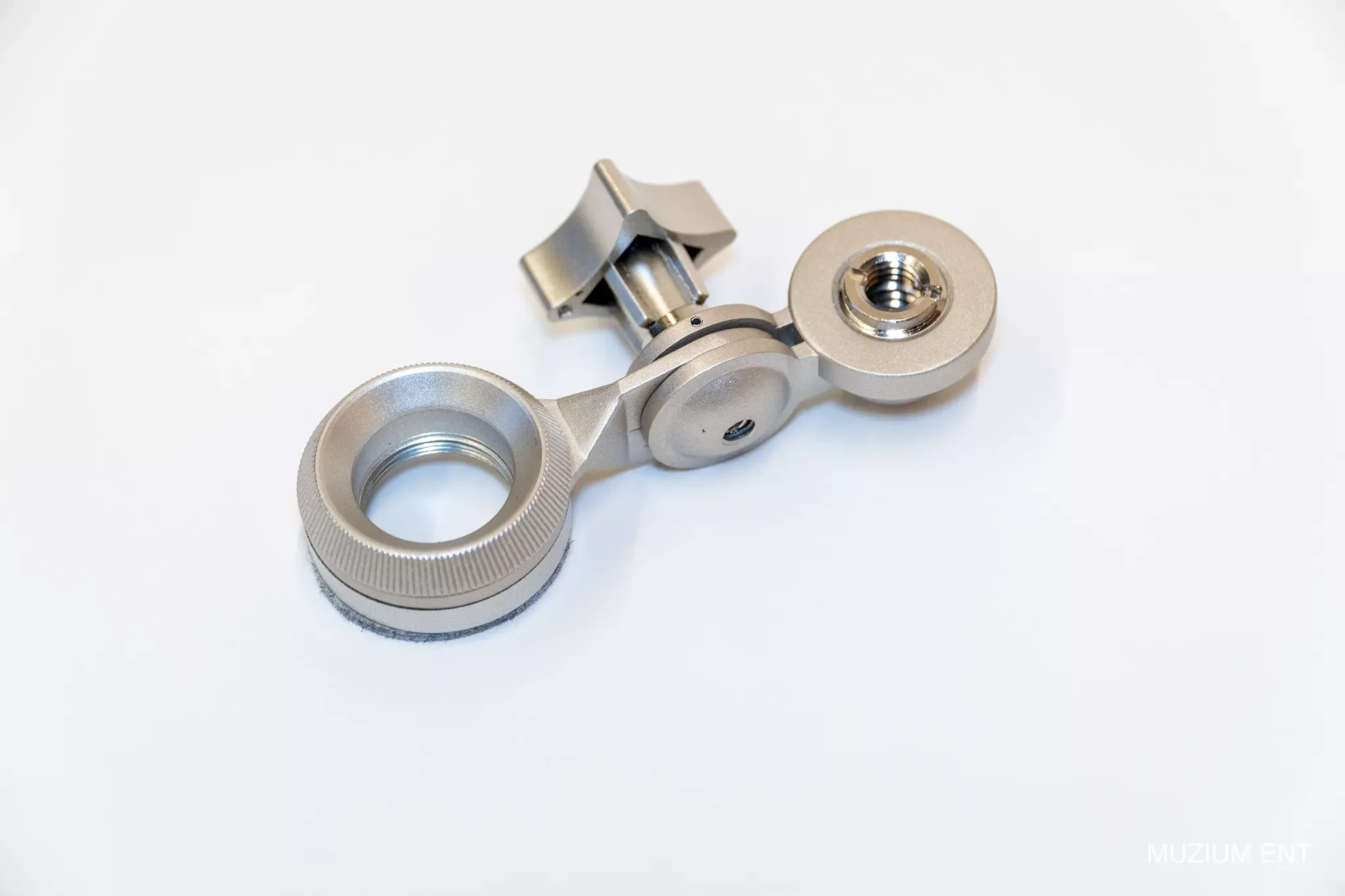
Only this type of adapter is included. Unfortunately, it is not compatible with the U87AI.
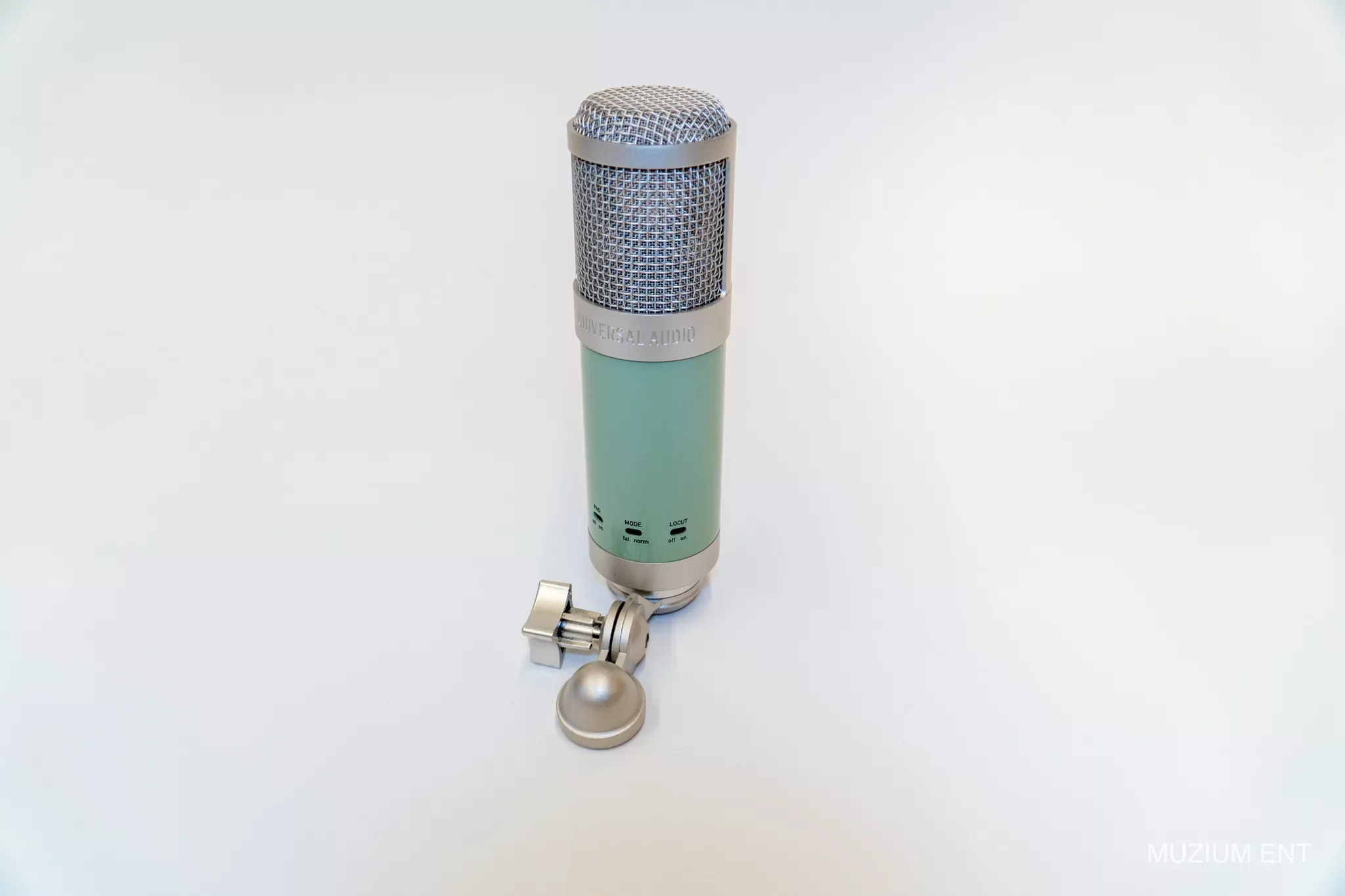
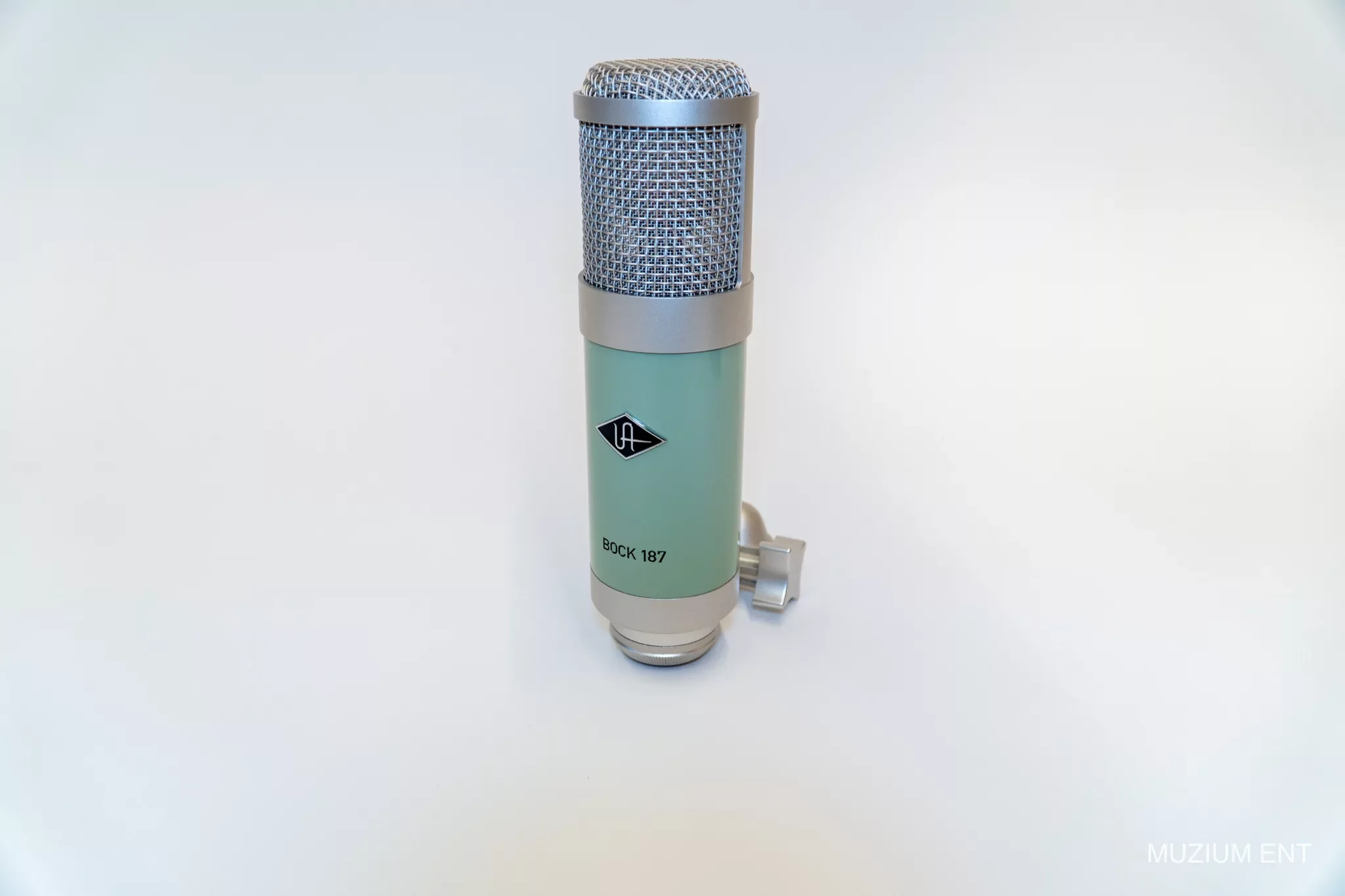
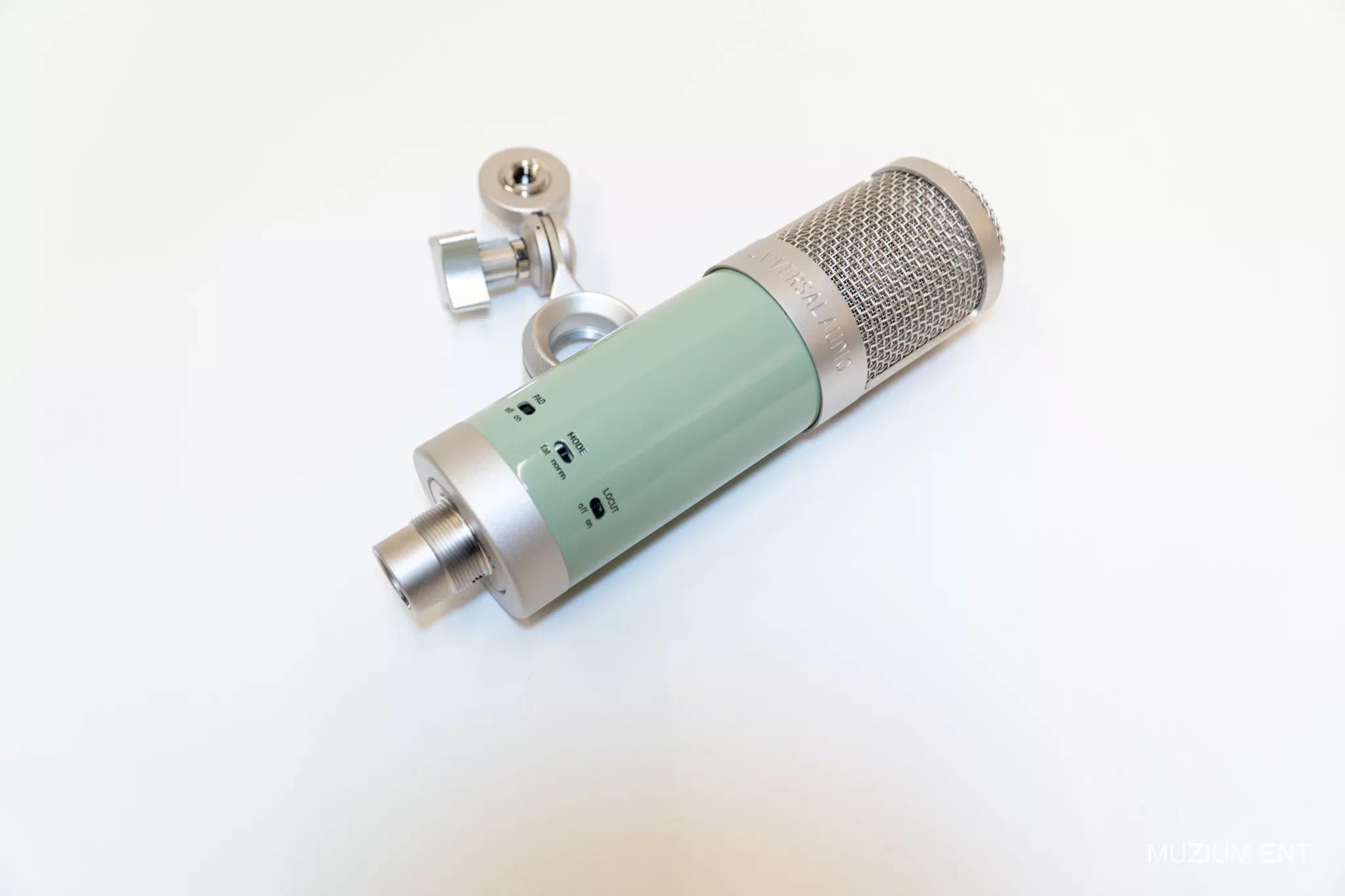
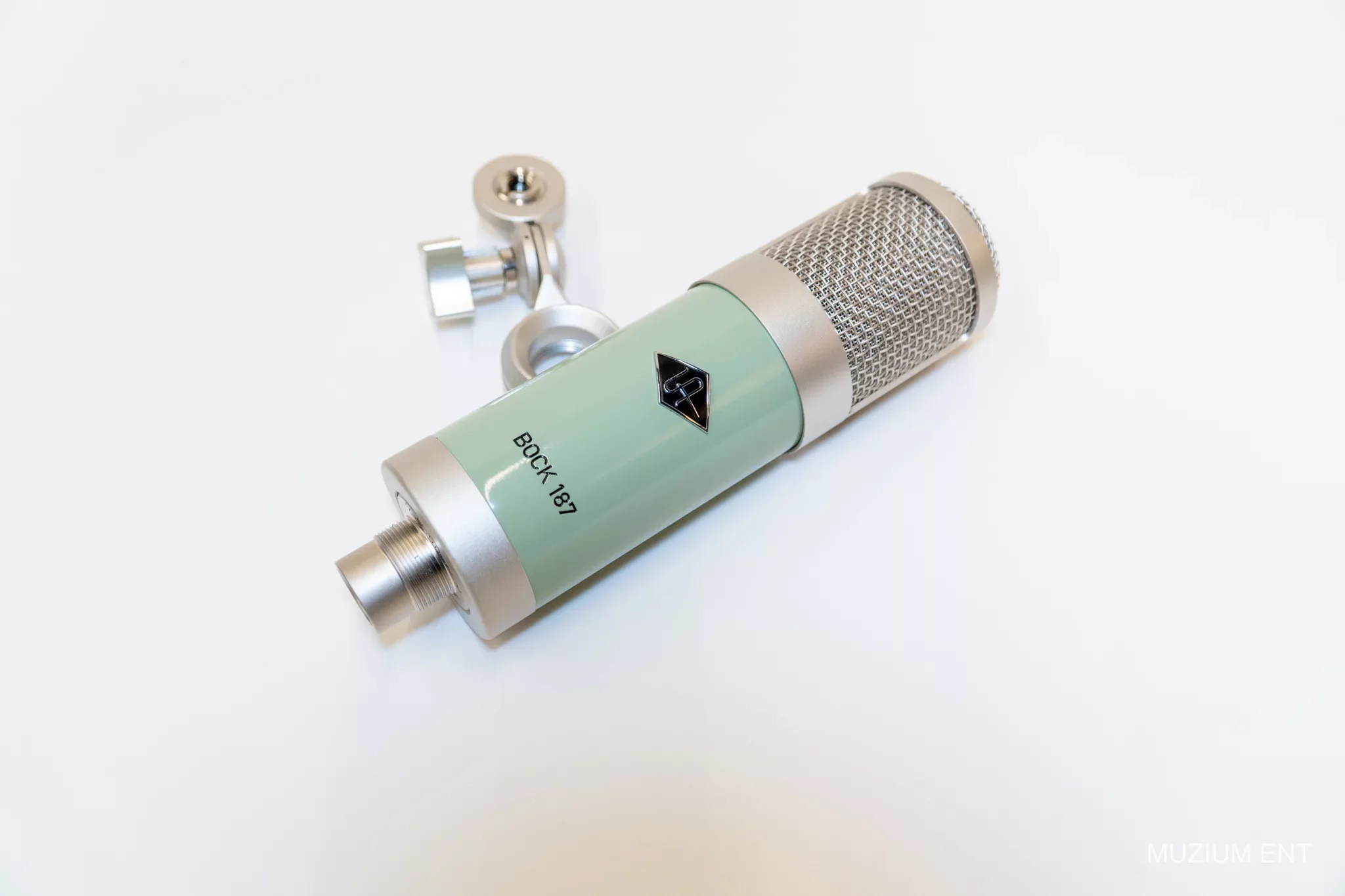
Here are some product photos. With so few included accessories, there wasn't much to photograph.
One notable feature is the "Fat" mode, which boosts the low-frequency range. Beyond that, it also has a PAD function and a Low Cut filter, both of which are standard on most microphones.
However, the switches are extremely small, making them difficult to adjust by hand.
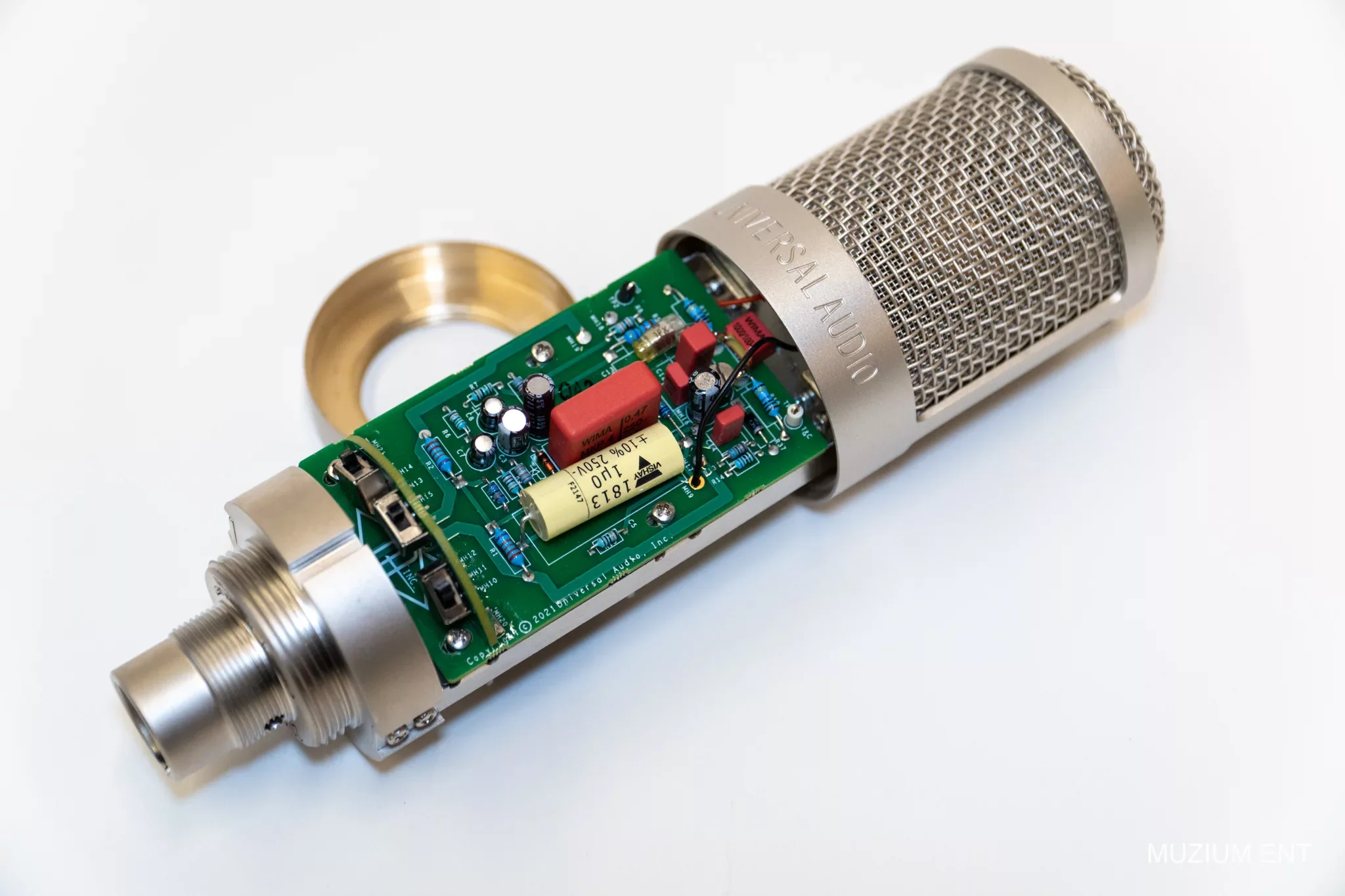
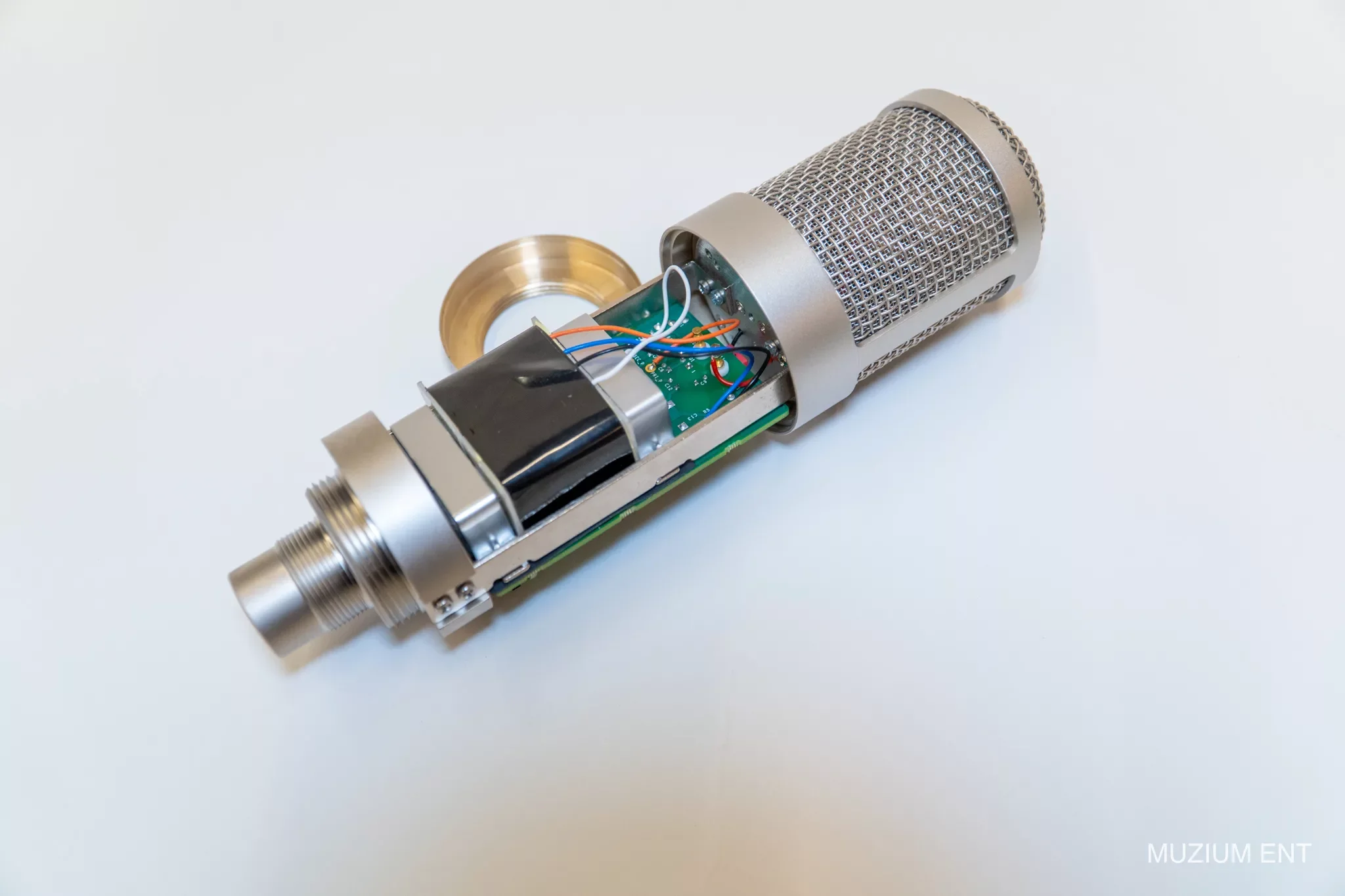
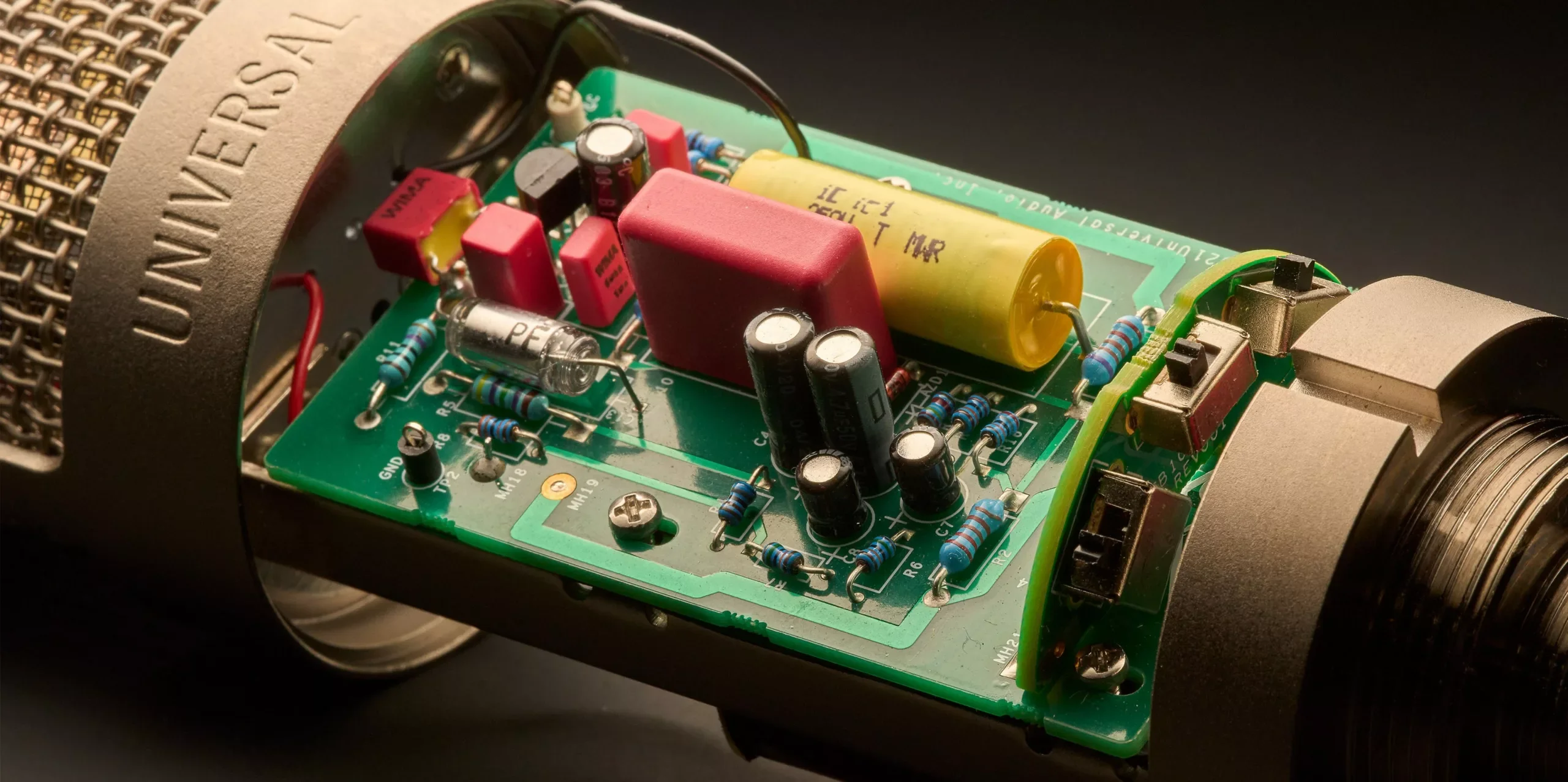
Here is the internal circuit board. It looks more substantial than you might expect for a post-U87 design. Of course, the circuit board doesn't necessarily tell you about the microphone's quality or performance, and since I'm not an expert I can't say much technically — but visually, it looks impressive.
Looking at the internal circuitry, the output transformer is quite large. The transformer manufacturer isn't visible, but it's reportedly Cinemag. If you actually visit the Cinemag website, you'll find the Bock microphone featured there.
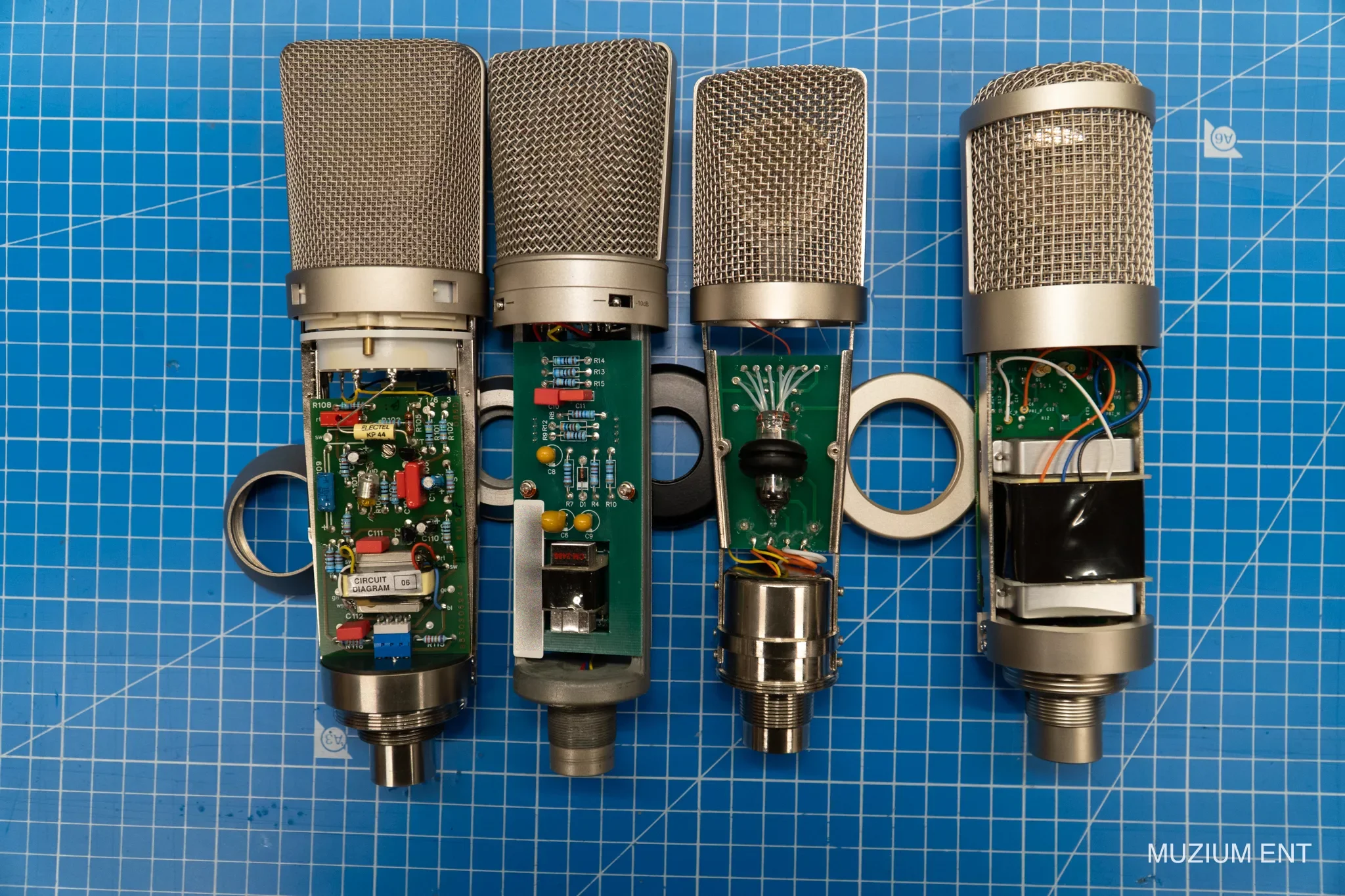
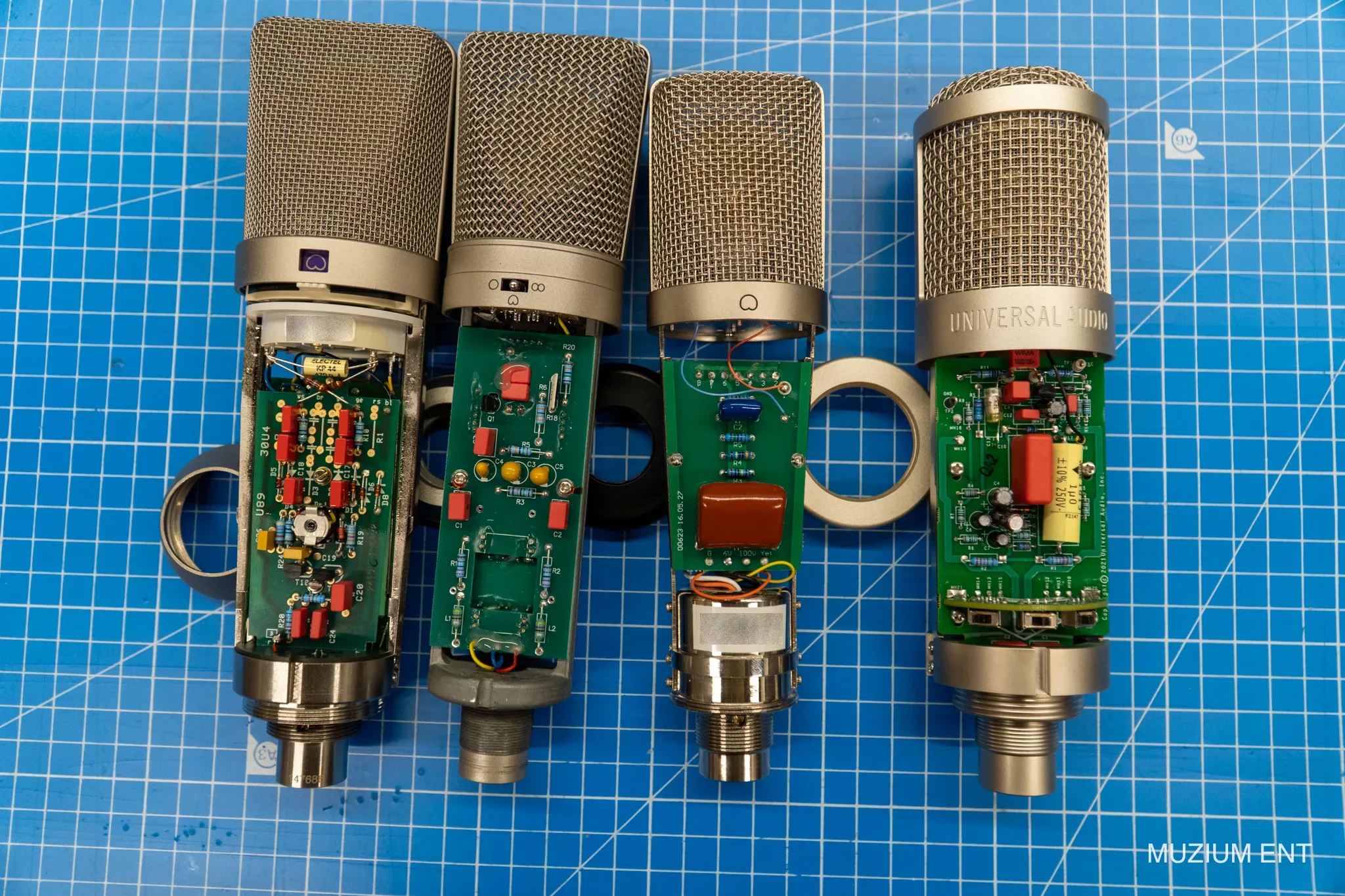
So impressed by the transformer size, we decided to undress some of its neighbors for comparison.
In terms of the output transformer size used in a microphone, it's almost surprisingly large. It looks like it could be 4–6 times the size of the U87AI's transformer, and perhaps — exaggerating a bit — 10 times the size of the WA87's transformer.
For the same reason, whether transformer size actually affects quality or unit cost is something I can't answer as I'm not an expert — but visually, it does inspire more confidence and just looks more impressive.
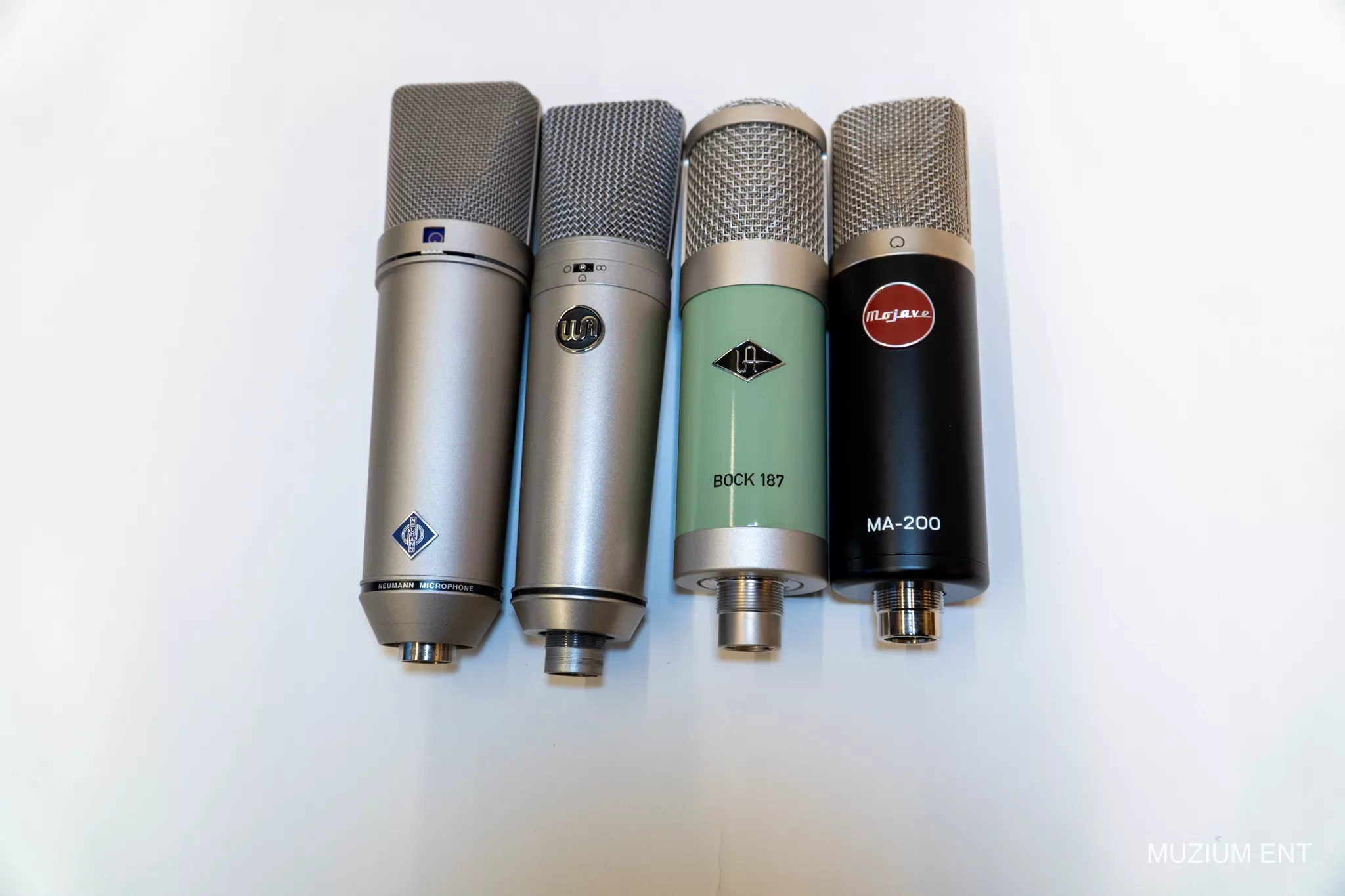
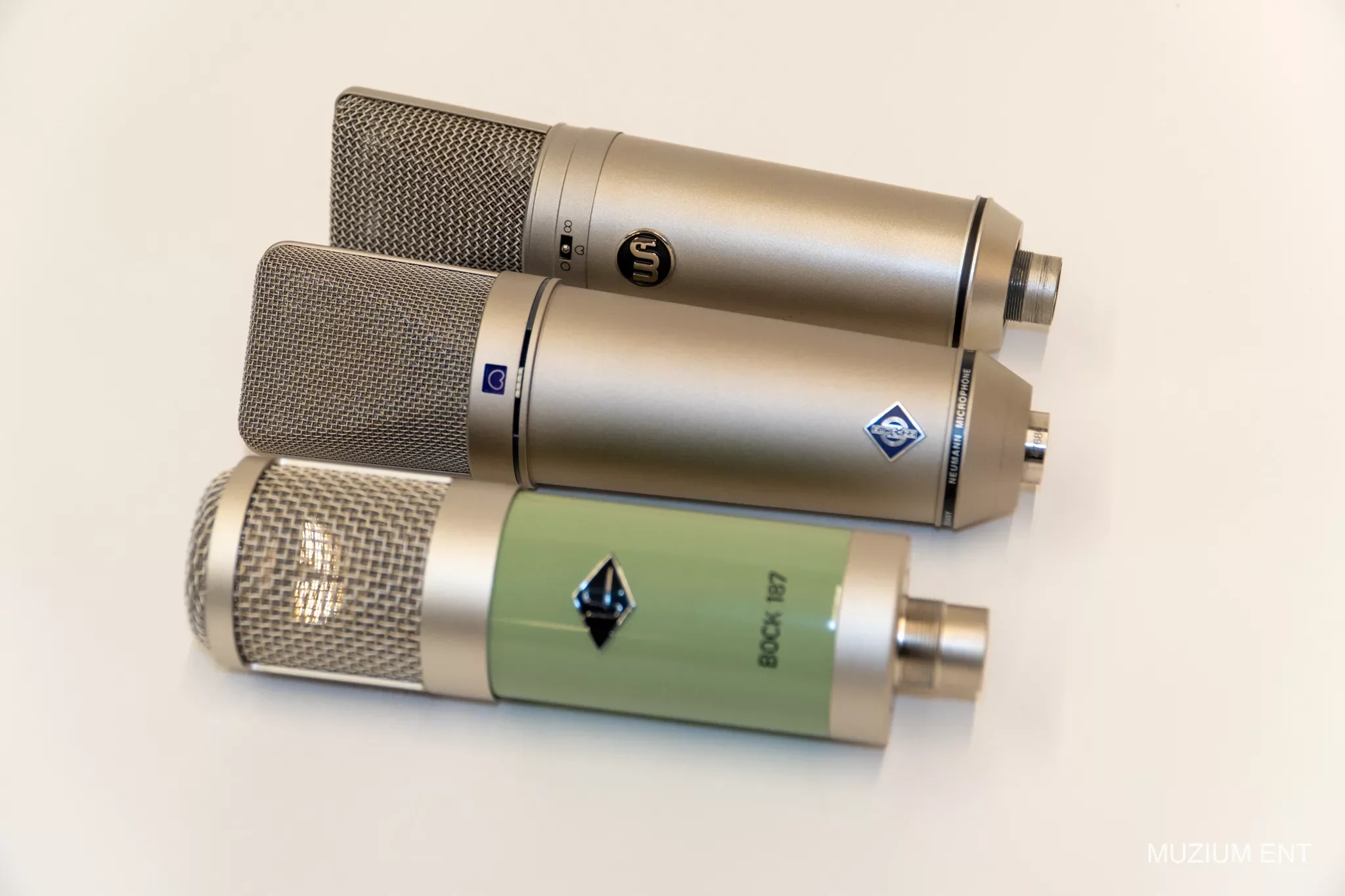
Here it is photographed alongside some of our other products. The microphone is a fairly common size — not too small, not too large.
A Reinterpretation of the Vintage U87
To be precise, the Bock 187 is not based on the current U87 AI but on the vintage U87 of the past. As a result, its specs are largely similar to those of the vintage U87.
(More specifically, the sensitivity, frequency range, and impedance — though full spec sheets comparing the vintage U87 and the Bock 187 don't seem to be publicly available.)
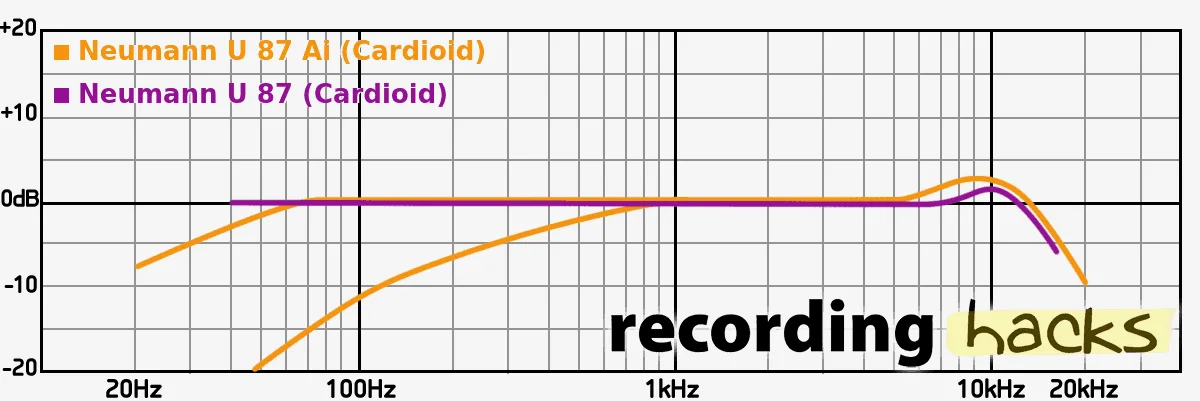
For reference, the current U87 AI and the original U87 differ as shown above, and as many people who have used both will attest, the AI version tends to have a slightly brighter, more accentuated high-frequency presence.
Using the Bock 187 in Practice
The microphone demo was conducted as a comparison with the U87AI.
As mentioned earlier, we received a high-end Vovox cable along with the Bock 187 for demo purposes, but since most of our cables (XLR cables, patch bay, etc.) are Belden, and we couldn't do a simultaneous comparison with the U87, we chose not to use the Vovox cable separately.
U87AI - SSL Nucleus Mic Pre - Protools Carbon AD
Bock 187 - SSL Nucleus Mic Pre - Protools Carbon AD
During the demo period, we used both microphones for a portion of our actual work sessions. The recording chain was as follows. (The same gain value was applied to both mic pres, though the specific number varies depending on the person.)
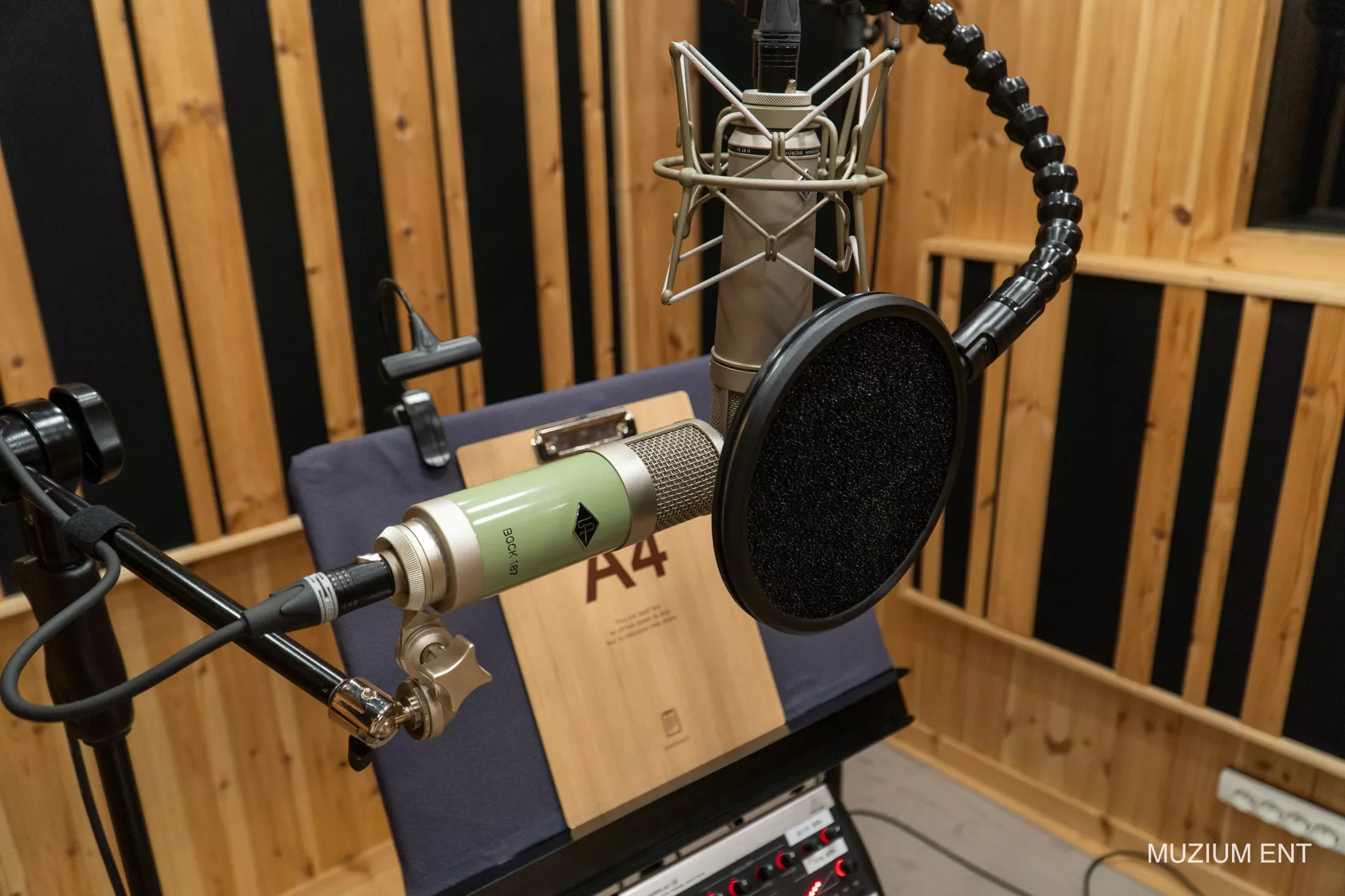
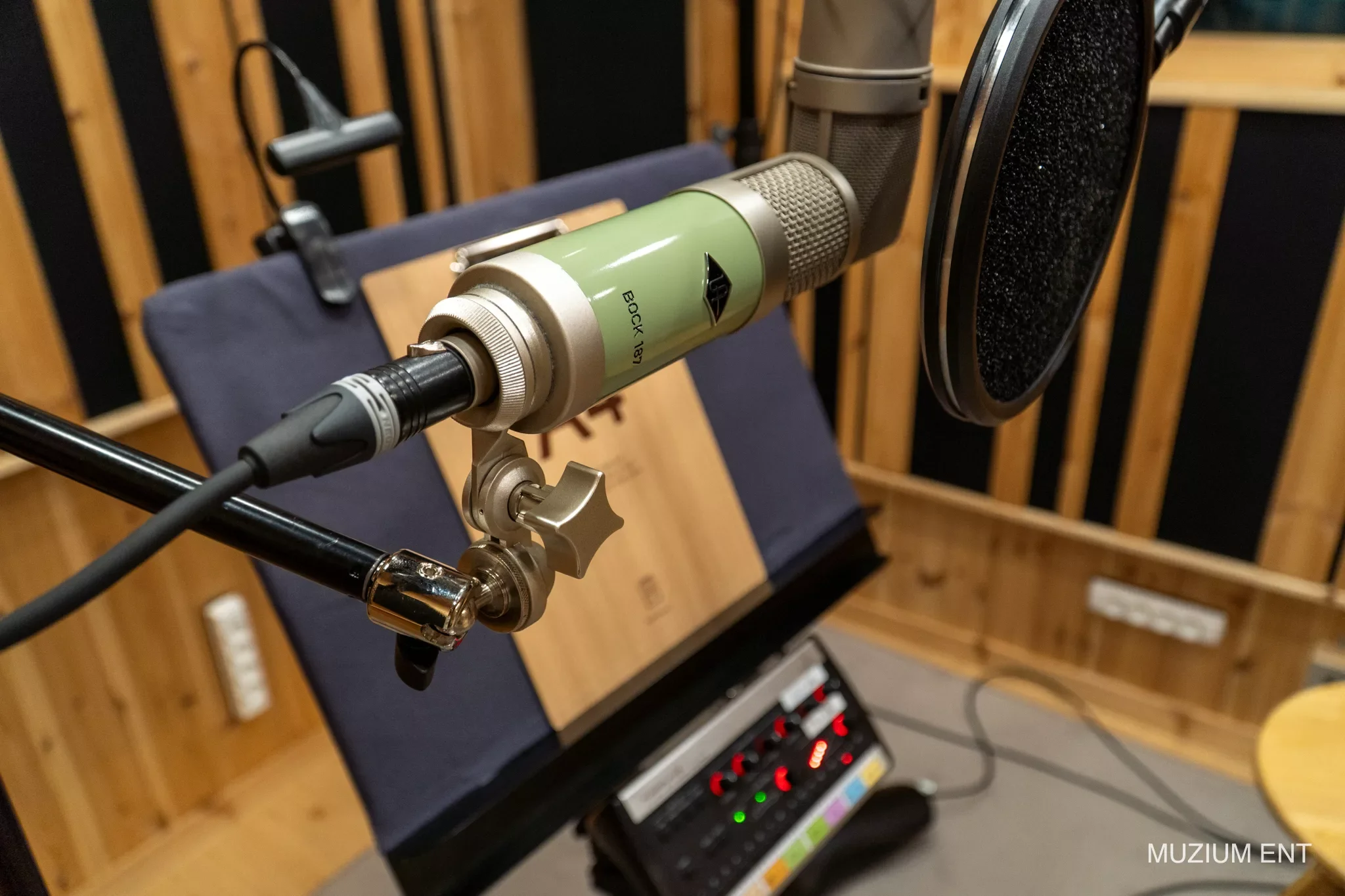
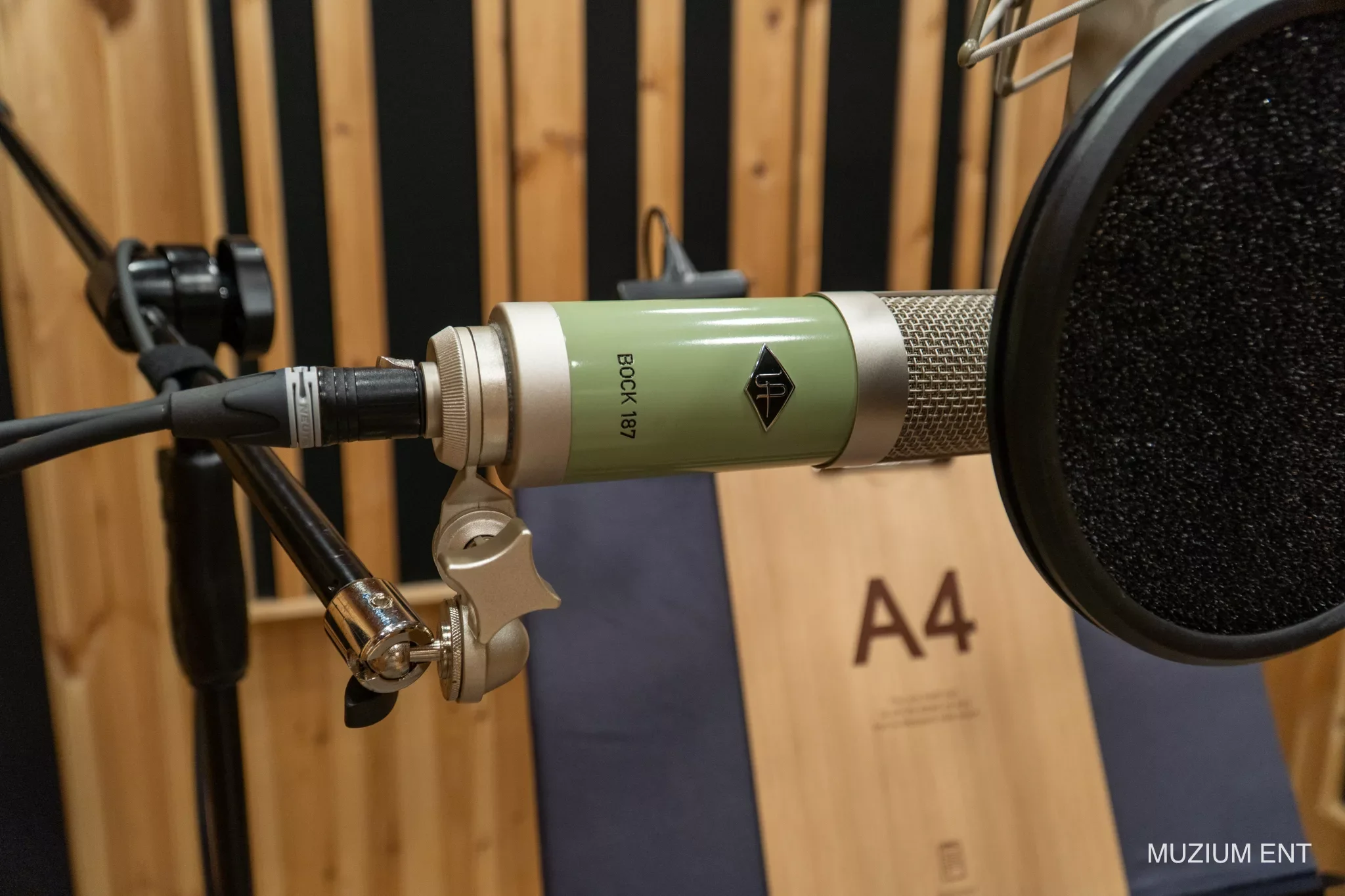
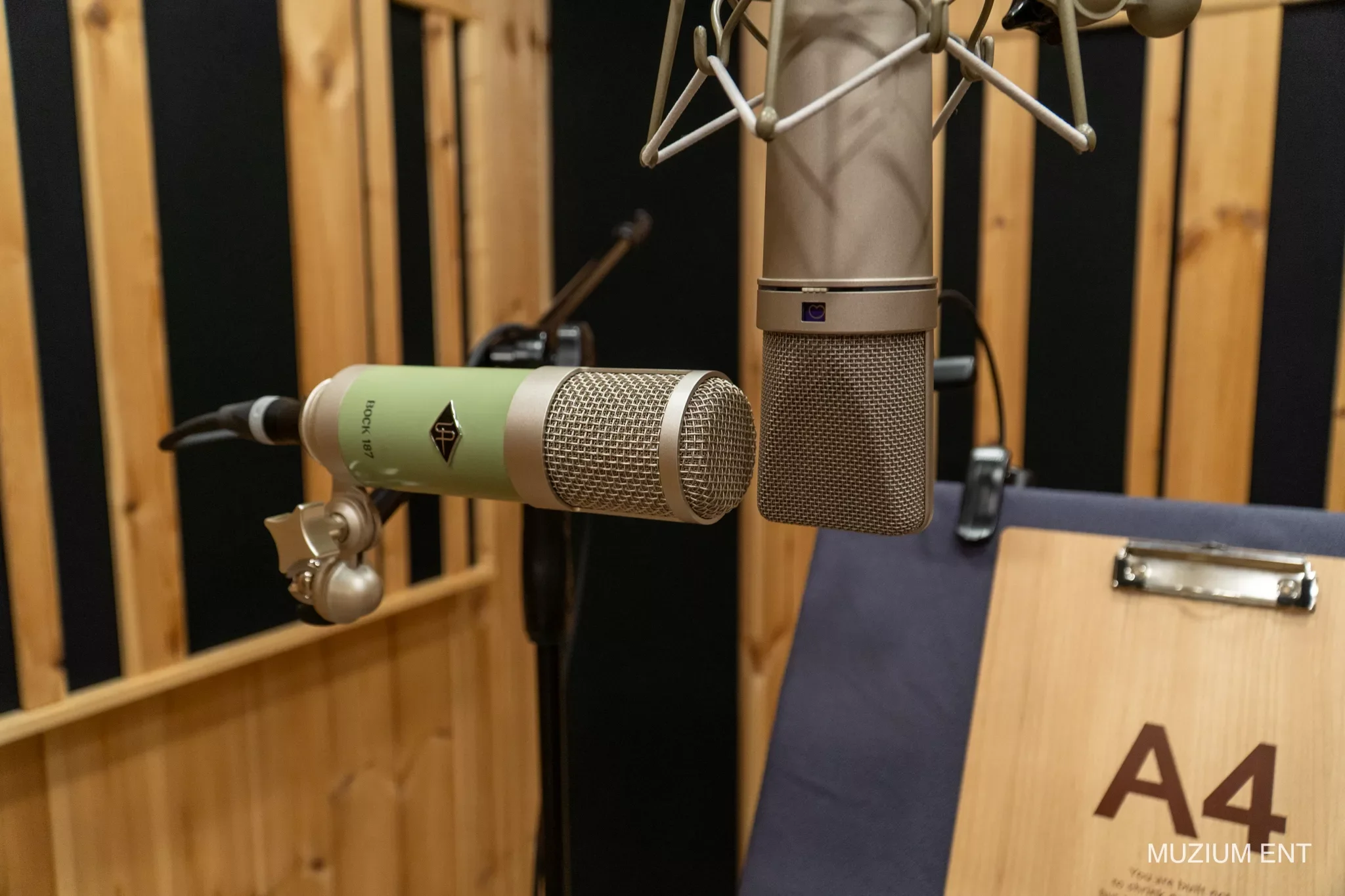
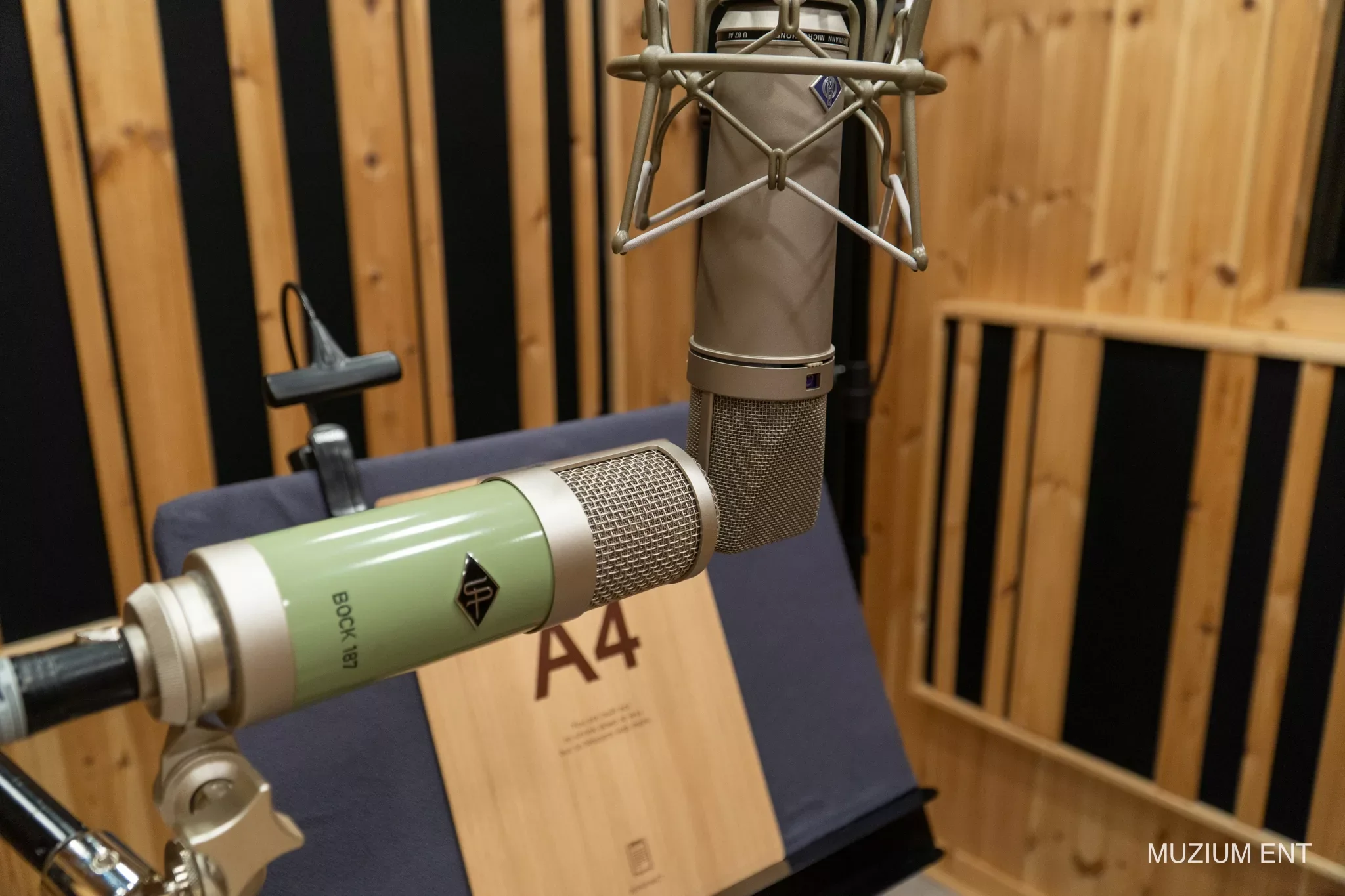
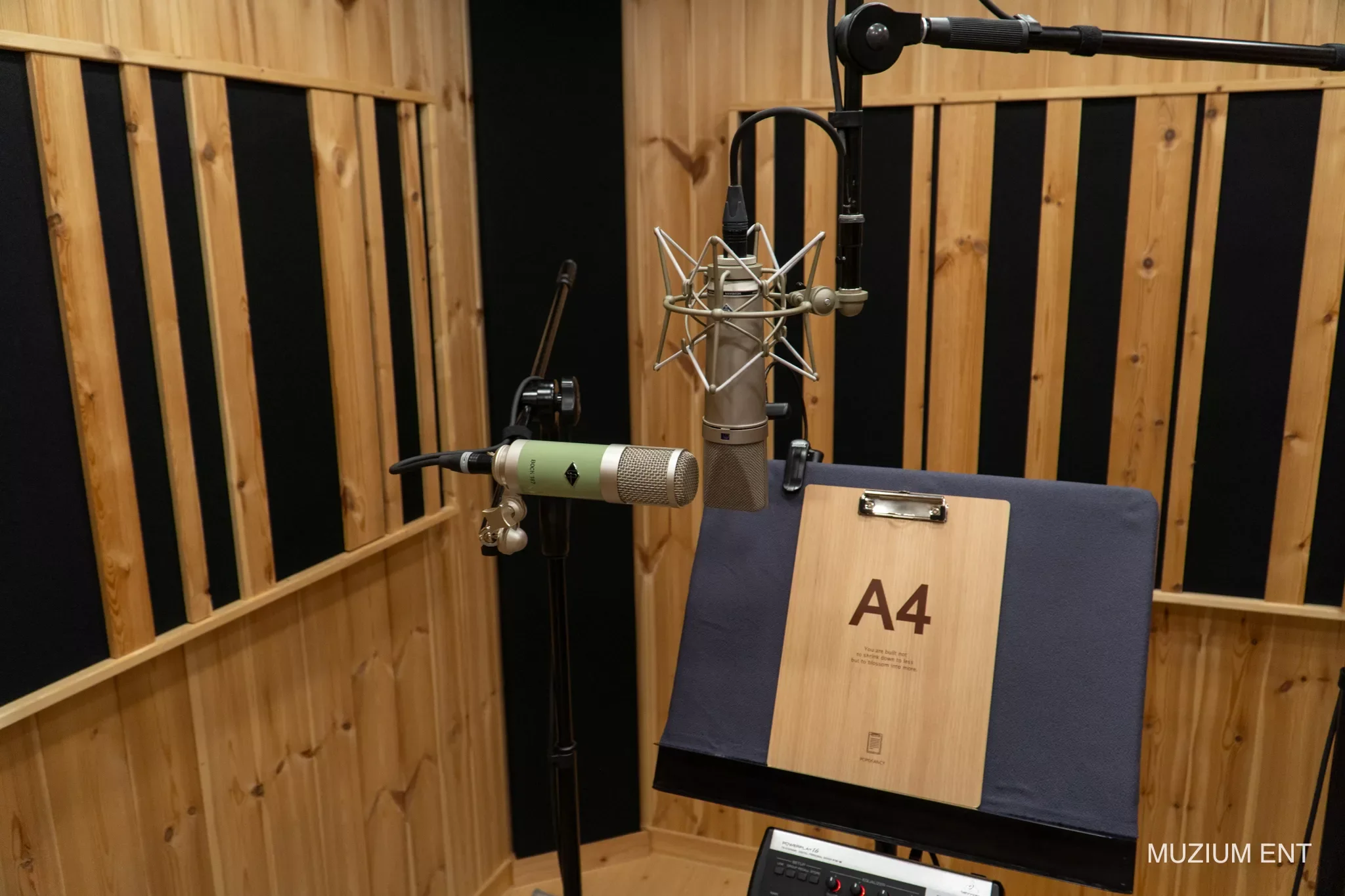
As shown in the images, we placed the microphones as close together as possible during recording. However, since performers need to read sheet music or scripts, if the U87 is centered, the 187 inevitably ends up slightly to the left. As a result, the sensitivity compensation varies depending on the performer.
We only corrected for the sensitivity difference between the two microphones digitally. We considered running them through a full mix as well before sharing, but felt that would compromise objectivity too much — so we kept it to sensitivity matching, with just Reverb and an overall Limiter applied.
We'd love to provide longer samples, but since not everything was recorded specifically for comparison purposes, we hope these snippets will give you a good enough sense of the difference.
1 - Middle-aged male (Korean traditional music, crossover) (Normal Mode)
This is best described as a crossover between Korean traditional music (gugak) and contemporary music. A middle-aged composer performed the vocals himself, and this is how he releases his music.
2 - Young female child (children's song) (Normal Mode)
This is a young girl who participates frequently in children's song recordings, performs lead roles in musicals, and is also active in a choir.
3 - Adult female (children's song) (Normal Mode)
This is a woman who has participated extensively in children's song recordings as well.
4 - General male (audiobook) (Normal Mode)
This is an audiobook recording for the visually impaired, performed by volunteers rather than professional voice actors or narrators.
5 - Adult male (children's song, guide vocal)
This is a guide vocal by the composer who created the children's songs above. Since he's not a professional vocalist... please take it simply as a reference.
A U87 Replica, and a Matter of Taste
First of all, I'm still in my 20s and have never used a vintage U87. So my understanding of what the original U87 sounds like comes entirely from reading about it — and watching the occasional comparison video online. For that reason, I can't claim that the Bock 187 is a perfect replica.
The general consensus is that the vintage U87 produces a warmer sound than the modern U87AI — and perhaps the difference between the Bock 187 and the U87AI is somewhere along those lines.
Compared to the U87AI, there is a noticeable difference in the high-frequency range, and slight differences in overall body as well. Setting aside what happens after vocal processing in a full mix, even among the recordings we made, some sounded better on the U87AI and others sounded better on the Bock 187. The differences are subtle, but they're there..
That said, the differences aren't so dramatic or obvious that just anyone would immediately notice them. You know how it goes — audio engineers can spend all day doing A/B tests, but most regular listeners simply don't notice or care.
We didn't conduct a dedicated A/B test specifically to compare Fat Mode, but we did switch it on during a session to have a listen — and it was satisfying.
To summarize my opinion: this is a very high-quality microphone that can absolutely hold its own against the U87AI.
Overall, it feels like the characteristic high-frequency boost of the U87AI has been dialed back slightly. I've tried various 87-style microphones beyond my own WA87, and of those, the Bock 187 comes the closest to that U87 sound.
(Of course, since I haven't used a vintage U87 myself, I'm basing this on what I've heard in reviews and comparing against the current U87AI.)
If you own one, there's absolutely no reason to regret it — and at a price that isn't out of reach, it's a microphone worth using as a primary mic for solo artists, project studios, and beyond."While there is a benefit of receiving a small gift after writing this review, we have not received any guidelines or instructions regarding the review content — this is purely our own opinion."
Since UA acquired Bock Audio in its entirety, they have released not only the Bock 187 but also the Bock 167 and Bock 251 models.
But why is the 187 the only one without a shock mount?..
Anyway, the Bock 251 is currently scheduled for release in Korea. The other two models are already available and can be purchased at Gear Lounge.
Thank you.